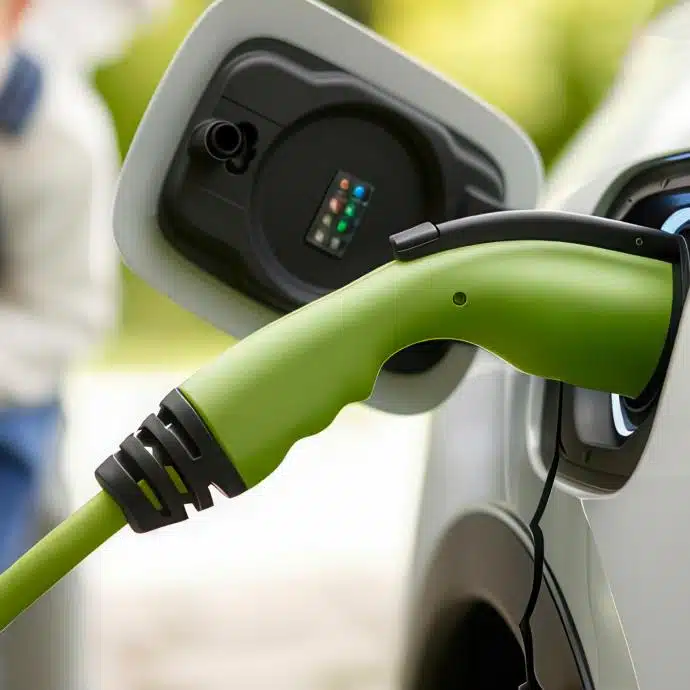


Will 2023 be the year the electric vehicle hits the fast lane in North Carolina?
“I think North Carolina is sitting in a really strong position right now”
Outlet
10 mentions for outlet: Winston-Salem Journal
Showing 1–10 of 10
“I think North Carolina is sitting in a really strong position right now”
“Our region is at the crossroads of equity and unprecedented levels of funding for transportation electrification. This project is extremely timely and will further define the role local governments can play in the deployment of electric vehicles for everyone.”
North Carolina regulators approved Duke Energy's plan to add 1,200 megawatts of solar capacity through purchase agreements with North Carolina developers. Environmental advocates, including SACE, argued the target is too low to meet the state's 2030…
Banks and credit unions in the Triad region are offering lower interest rates on electric vehicle loans to attract consumers, with rates as low as 1.88% APR. The push reflects growing EV demand and manufacturer investments…
“About 2,700 charging ports are available in the state to serve them”
Duke Energy and three North Carolina solar providers—Sundance Power Systems, Southern Energy Management, and Yes Solar Solutions—reached a settlement establishing a temporary "bridge rate" for residential solar customers. The agreement, filed with the N.C. Utilities Commission…
“Duke Energy can achieve the carbon reduction requirements by 2030 by retiring its remaining coal fleet and rapidly deploying energy efficiency and demand response programs, wind, solar and battery storage”
The article reports on residential solar installations in North Carolina's Triad region, noting that 177 residents filed solar installation plans in April 2022. It discusses Duke Energy's proposed changes to net metering rules that would reduce…
“We think that this permit is not only unacceptable and irresponsible, but also illegal”
“an analysis by the federal Environmental Protection Agency of the toughest anti-pollution strategy considered by SAMI participants concluded that the annual increased energy cost would be about $12 for each household”