

Press Mention Winston-Salem Journal June 2, 2022
SACE Referenced
Keeping EV drivers in charge: Bill aims to get gas-guzzlers out of way
In this mention
North Carolina Rep. Harry Warren sponsored legislation to make it illegal for gas-powered vehicles to block EV charging stations on public or private property, with violators facing a $100 fine. The bill passed the House 115-4 in March 2021 but has stalled in the Senate. According to the Southern Alliance for Clean Energy, about 2,700 charging ports serve approximately 28,000 zero-emission vehicles registered in the state as of March 2022.
About 2,700 charging ports are available in the state to serve them
SACE
Full transcript
Keeping EV drivers in charge: Bill aims to get gas-guzzlers out of way
John Deem
N.C. Rep. Harry Warren doesn't drive an electric vehicle.
But the Rowan County Republican knows that as automakers add more zero-emission options and prices fall, EVs will become increasingly popular in North Carolina — if drivers are confident they won't be stranded with a drained battery and no place to plug in.
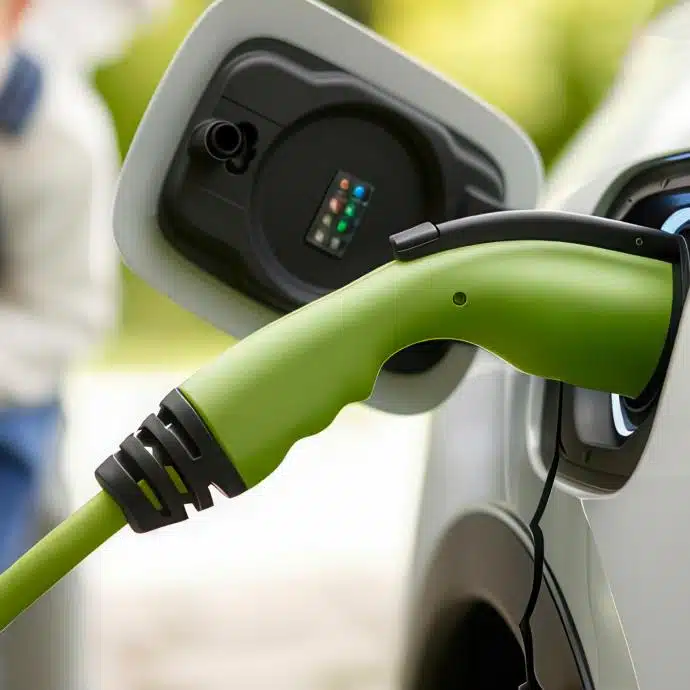
That's why Warren sponsored legislation that would make it illegal for a gas-powered vehicle to block any EV charger in the state, on public or private property.
"Preventing the use of an electric vehicle charging station could be considered the same as preventing the use of a gasoline pump station," the six-term representative explained. "These stations each need to be accessible to consumers in order to facilitate their travel."
EVs would be required to be plugged in while parked. Scofflaws would face a $100 fine.
The legislation has been stalled in the Senate rules and operations committee since cruising through the House in a 115-4 vote in March 2021. The prospects for shifting the bill to the Senate floor during the General Assembly's current short session are uncertain, but given the lack of urgency around what has yet to become a high-profile problem, the measure could remain parked when legislators wrap up their work June 30.
Warren conceded there has been no uprising among electric vehicle owners who are charged up over gas-guzzlers preventing them from plugging in.
"It is just a matter of common sense that there is a greater need than there is an availability, so this must be addressed now, while EV owners have less choices," he explained.
Long road
In a January executive order, Gov. Roy Cooper set a goal of at least 1.25 million registered emission-free vehicles in the state by 2030. The target is a centerpiece in North Carolina's target of cutting greenhouse gas emissions in half by the end of the decade in an effort to control rising temperatures tied to climate change.
About 28,000 zero-emission vehicles were registered in the state as of March 31, according to the N.C. Department of Transportation. About 2,700 charging ports are available in the state to serve them, the Southern Alliance for Clean Energy reported.
The vast majority of those chargers will deliver enough power in one hour for just 12 to 60 miles of driving, which makes the time EV owners have to plug in precious. A traditional vehicle blocking a port takes away from what may be a limited supply of charging options for electric vehicle drivers, especially in smaller towns and rural areas.
Businesses, parks and other destinations are employing charging stations as a strategy to attract customers and visitors who can plug in vehicles during their stay. The ports are typically installed near the entrances to the destinations, making those spots tempting for non-EV drivers who can end up in the way of electric vehicle owners who made charging part of their plans.
Warren's legislation aims to eliminate any misunderstanding of what is or isn't a charging station, or which vehicles are allowed to park near them.
To be covered by the proposed law, "a space designated as an electric vehicle charging station must be indicated by vertical signage identifying the station as an electric vehicle charging station," the bill says.
In the Triad, Guilford County continues to lead the way in no-emission vehicle registrations, with 1,154 through the first quarter of 2022, followed by 656 in Forsyth, according to the transportation department.
However, Forsyth's per-capita emission-free registration rate of 588 outpaces Guilford's 470.
John Deem covers climate change and the environment in the Triad and Northwest North Carolina. His work is funded by a grant from the 1Earth Fund and the Z. Smith Reynolds Foundation.
336-727-7204