

Note: This article was originally shared in SACE’s free newsletter, “Wired In,” which includes relevant articles, media clips, and actions to take. Join us to receive Wired In once a month in your inbox, and see January’s full newsletter here.
As much of the Southeast shivers through extreme cold this week, the value and comfort of electricity and the strain on our power grids — and our wallets — couldn’t be more real. This is precisely when we need every sustainable tool available to keep the lights on and our bills manageable. Yet over the past year, the Trump administration has slashed valuable tax credits and rebate programs that helped millions of families afford energy efficiency upgrades like weatherization and heat pumps.
The absence of these efficiency programs triples the adverse impacts. First, Americans will now struggle to efficiently heat their homes without advanced technology and struggle to pay their power bills. Second, utilities will struggle to keep up with higher demand, burning more volatile-priced methane gas, which drives costs higher for customers. Third, burning more fossil gas increases carbon emissions that could have been avoided if efficiency measures had been deployed. These compounding problems multiply NOT because solutions don’t exist, but because they’ve been deliberately removed by this administration.
Our newly released “Energy Efficiency in the Southeast” seventh edition report shows our region’s utilities aren’t picking up the slack, either. Instead of helping customers save money or meeting surging demand with cheaper, cleaner, reliable options, they’re doubling down on expensive fossil gas — the very fuel that typically fails first during extreme cold. As scientists have warned for decades, global climate disruption is bringing more frequent bouts of intense, unusual weather patterns like the polar vortex we’re experiencing now — yet utilities continue betting on the carbon-intensive fuels driving the crisis. This dependence takes dollars from you and me, pressuring the budgets of mainstream American families while enriching oil and gas industry executives and their political operatives’ excessive wealth.
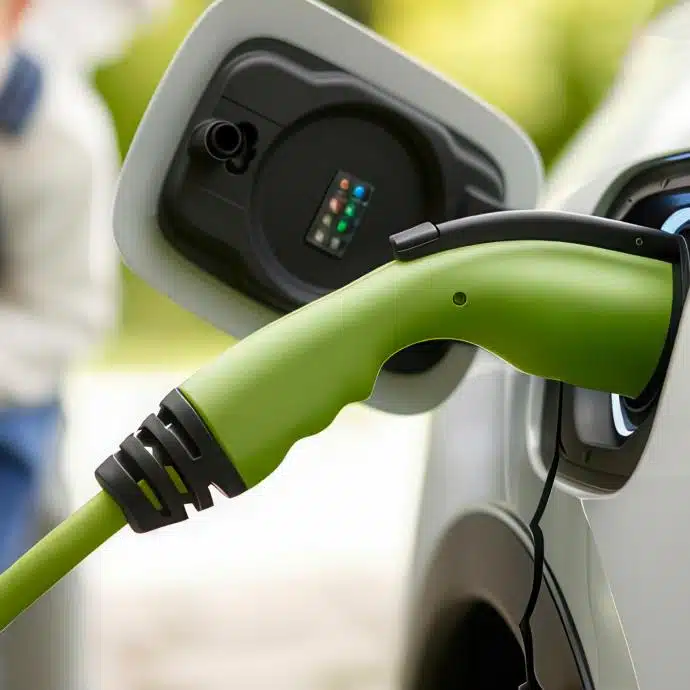
Moving from homes to transportation, the nearly year-long fight to restore obligated federal EV charging infrastructure dollars — which SACE members helped pass, as told in a feature story below — follows the same pattern. Simply stated, electric vehicles are more efficient, cheaper to maintain and operate, cleaner, and perform better than fossil fuel vehicles. We are seeing significant EV manufacturing and battery infrastructure in the Southeast, where electric mobility infrastructure unlocks good-paying jobs and regional economic competitiveness. Yet these infrastructure funds that are critical to transitioning to an electric future were unlawfully frozen, creating an unnecessary roadblock that was designed to keep higher-cost oil and gas dependency directing massive profits to the oil oligarchy.
The absurdity is hard to miss: it’s like watching firefighters arrive at your burning house, then choosing to fight the flames with gasoline instead of the water already in their trucks—and then sending you the bill for both the fuel and the damage.
Energy bills now rank in the top three cost-of-living struggles alongside groceries and health care. The solutions that could help need to be reinstated, as do the basic regulations and institutions protecting clean air and water that are under renewed attack from Trump’s EPA.
But here’s the inspiration: our communities are forging ahead with embracing clean energy, and families like the Larsens, featured below, are sharing how to save thousands annually with solar and EVs. We can embrace solutions taking root across our region, from simple and affordable plug-in solar to agrivoltaics helping farmers use solar to generate energy, income, and crop resilience.
Each one of us has a role to play in building a thriving future by demanding common-sense policies and support from our elected officials and utility regulators. Remember, our voices are stronger together. Join the Clean Energy Generation movement to learn about low-cost, reliable clean energy solutions available now, and add your voice to the growing movement that’s building the affordable, resilient future we deserve.
Join the Clean Energy Generation
To view the full January 2026 “Wired In” newsletter with featured stories and ways to take action, click here.
#WiredInNewsletter


