

Press Mention Asheville Citizen-Times May 9, 2010
Topical Mention
Tragedy in Gulf underscores need for oversight, alternative fuel
In this mention
An editorial responding to the Deepwater Horizon oil spill disaster, arguing for stronger federal energy oversight and a shift toward alternative fuels and renewable energy sources. The piece advocates for solar, wind, biofuels, and electric vehicles as solutions to U.S. oil dependence, citing local initiatives like EV charging station planning in Western North Carolina.
Original clipping
PDF didn't open? Open it in a new tab →
Full transcript
Tragedy in Gulf underscores
need for oversight,
alternative fuel
May 10, 2010
We're hundreds of miles away from the Gulf of Mexico, but that sickening feeling washes over all Americans.
First there was the loss of life with 11 killed in the explosion that sank the Deepwater Horizon oil rig. Then came the loss of livelihoods for thousands of fishermen banned from the rich fishing grounds while workers at hotels, restaurant and businesses all along the Gulf beaches are waiting for the worst.
If the crude comes ashore the sugar-white beaches of Alabama and the Florida Panhandle or drifts down to other beaches on Florida's west cost, we could see the potential collapse of a multi-billion tourism economy, explained Rob Young, director of the Program for Study of Developed Shorelines at Western Carolina University. What happens in Florida doesn't stay in the Sunshine State as the housing slump there has slowed the buying or selling houses here in Western North Carolina.
Any economic disaster along the Gulf would certainly ripple our way, but there's deeper issue beyond the spread of crude oil on the ocean surface.
We need energy, but we also need to weigh the costs to the environment and the food we eat. It's nice to fill up your car with a ready supply of gas, but what if you have to pay more now for shrimp or seafood on your dinner table? What if a raw oyster became a rarity?
Our first lesson in the Gulf spill should be obvious: industries, especially in the energy sector, need oversight. The Minerals Management Service, the federal agency in charge of overseeing drilling operations, has been a mother lode for corruption before a 2008 report found staffers having sex and drug parties with oil workers. That coziness between regulators and the industry may have allowed the Deepwater Horizon rig to operate without having to install a $500,000 device that could have automatically shut off the oil now spewing at a rate of 210,000 gallons a day.
We need federal inspectors and rules making sure that our food is safe, that investments are transparent and not toxic, that miners can do their work without risking their lives, that oil companies are not taking shortcuts when drilling for oil and natural gas. That's not just red tape, but life lines for our society. Let's get away from the idea that federal regulation is by definition bad.
President Obama recently lifted a ban on off-shore oil exploration off the Southeast coast, which sounds more and more like an unwise move. It's bad enough to see the oil headed toward hard-hit Louisiana. It's hard to imagine what would happen with a similar slick off Ocracoke or Kitty Hawk on the fragile Outer Banks.
Off-shore drilling won't relieve us of our dependence on foreign oil, and, sorry, but it's a sad economic fact, that with prices for oil set on a world market, more drilling off our shores won't lower the costs of gasoline in the U.S., nor relieve our current need for foreign oil. Our 21st century society still runs on aging technologies and nostalgic fumes of the time when gas was less than a dollar a gallon.
We need to shift our dependence to other sources, from solar panels that can heat our water tanks or even provide electricity to our schools and public buildings. There needs to be a balance between protecting our ridge tops from development and using the best peaks for wind turbines that could harvest another natural source of power. Rather
than import our oil into the state, we can make our
own biofuels, recycling vegetable oil from
restaurants or perhaps one day growing algae.
There are companies now in Western North Carolina
growing and providing those desperately needed
jobs.
President George W. Bush was right on this count:
we face an oil addiction as a country, and our only
hope is to wean ourselves away with alternative
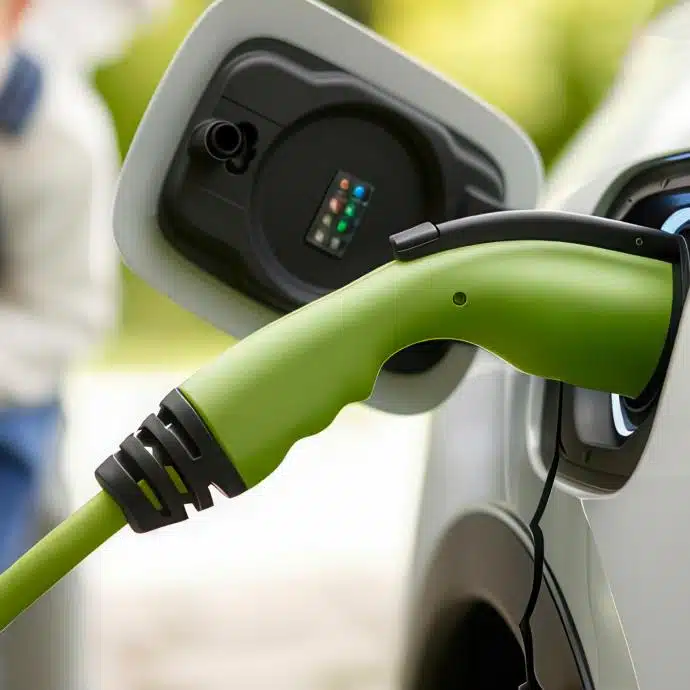
fuels and vehicles. The Prius and other hybrids are
common sights on our roads. The Chevy Volt and
the Nissan Leaf should be on the market next year,
offering high-speed, affordable all-electric vehicles.
To accommodate that demand, Land of Sky Regional
Council is talking about building recharging
stations at area colleges and universities, shopping
malls, and interstate rest areas, said Bill Eaker, who
heads the Clean Cities Coalition promoting
alternative fuel vehicles in our area.
What's happening before our eyes in the Gulf is an
environmental tragedy, coming only a few years
after the natural disaster of Hurricane Katrina, but
entirely manmade and avoidable in this case. It's
easy to trade insulting chants of "Drill, baby, drill"
or "Spill, baby, spill," but the scale of this problem
transcends partisan politics. Now is the time for
Congress to take up a comprehensive energy policy.
We only compound this tragedy of our own making
if our nation doesn't finally move toward cleaner,
safer and sustainable fuels for our future.