

Press Mention Tennessean.com October 23, 2010
SACE Quoted
Tennessee at center of energy debate
In this mention
A Washington Post analysis examines Tennessee's position in the national energy and climate debate ahead of the 2010 midterm elections. Stephen Smith, executive director of the Southern Alliance for Clean Energy, praises a renewable energy standard proposal and notes the Southeast's untapped clean energy potential. The article discusses cap-and-trade legislation, coal dependence, and bipartisan support for clean energy jobs including electric vehicle infrastructure.
the Southeast has the potential for abundant clean energy production but is "languishing under a deficit of political leadership."
Stephen A. Smith
Original clipping
PDF didn't open? Open it in a new tab →
Full transcript
Tennessee at center of energy debate
October 24, 2010
WASHINGTON — The results of next month's election will help determine prospects for climate change and energy legislation in Congress next year. No matter the outcome, Tennessee will be at the crossroads of the debate.
The stakes are high for Tennessee, which is trying to grow the clean-energy sector of its economy. In addition, the state could be more vulnerable than most to efforts to cut greenhouse gas emissions tied to climate change.
Failure to enact legislation to limit such emissions represents a key setback for the Democratic Congress and the White House.
The House passed an energy bill in June 2009 that included a cap-and-trade approach to reducing emissions. At its core, the plan would have driven up the price of carbon fuels as a way to force changes in personal behavior and business practices.
Lawmakers voted 219-212 to pass the bill, with only eight Republicans voting yes and 44 Democrats voting no. Rep. Marsha Blackburn, R-Brentwood, along with Democratic Reps. Lincoln Davis of Pall Mall and John Tanner of Union City voted against the bill, while Democratic Reps. Bart Gordon of Murfreesboro and Jim Cooper of Nashville voted for it.
The full Senate never acted on the measure, and with Republicans likely to take control of the House, prospects for climate change legislation appear poor. President Barack Obama seems resigned to attacking climate change without a major bill from Congress.
"We may end up having to do it in chunks, as opposed to some sort of comprehensive omnibus legislation," Obama said in a Rolling Stone magazine interview.
Coal is central to the debate as the source of about one-fourth of greenhouse gas emissions in the U.S. Tennessee gets about two-thirds of its electricity from coal, meaning the state would be especially hard hit by any law that increased carbon prices.
Republicans also are likely to continue to try to block attempts by the Environmental Protection Agency to use its regulatory authority to reduce climate change emissions.
Another key issue in the energy debate is whether utilities should have to generate a set percentage of electricity from clean and/or renewable sources.
Republicans and some Democrats say that would be unfair to coal-dependent states like Tennessee, which they say don't have as much potential to generate clean energy as wind-swept or sun-drenched Midwestern and western states.
Last month, Democratic Sen. Jeff Bingaman of New Mexico and Republican Sen. Sam Brownback of Kansas introduced a bill that would require utilities to generate at least 15 percent of their electricity from renewable sources by 2021.
Stephen Smith, executive director of the Southern Alliance for Clean Energy, praised the proposal and said the Southeast has the potential for abundant clean energy production but is "languishing under a deficit of political leadership."
Also at stake for Tennessee is the state's effort to grow clean-energy companies. The state was labeled a "national leader in the clean energy economy" in a report last year by The Pew Charitable Trusts. The report found that clean energy jobs in Tennessee increased seven times faster than jobs overall between 1998 and 2007.
Legislation that would promote clean energy jobs is
one of the few areas with bipartisan support in
Congress.
Republican Sen. Lamar Alexander introduced
legislation earlier this year with Democratic Sen.
Byron Dorgan that would provide incentives to buy
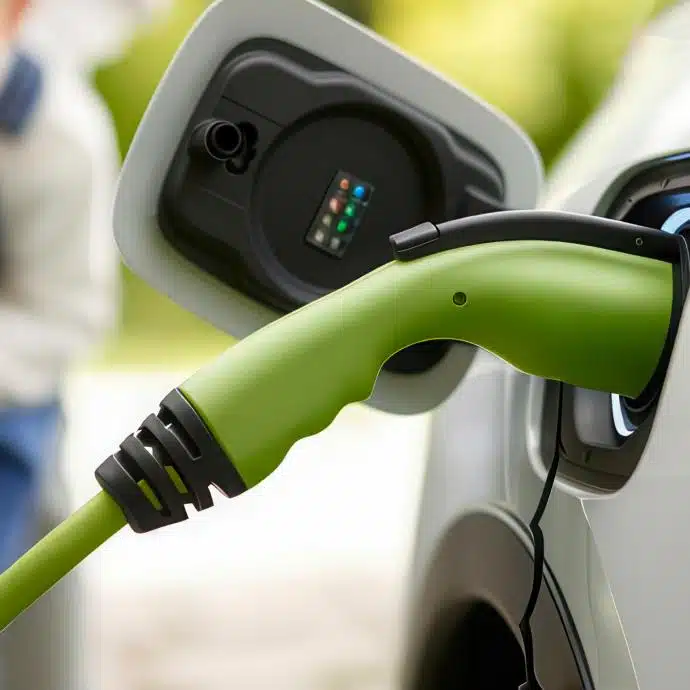
electric cars and promote developing an
infrastructure of charging stations for the vehicles.
The Nissan Leaf electric car will be built in Smyrna.
But a conservative shift in Congress could hamper
legislation that would spend federal money to
promote clean-energy businesses, because of
concerns about the growing national debt.
Alexander disagrees with those who believe a GOP
takeover of Congress would stall energy legislation.
"I think it's going to help, because I think what we've
got now is we've such an imbalance between the
parties that there's a great temptation by the
majority party to say, 'We won the election. We'll
write the bill and run over the minority,'" Alexander
said at a forum last month sponsored by the
Washington Post. "When we're better balanced … we
get back to doing what we've done many times."
Bill Theobald covers Tennessee politics in
Washington. Contact him at wtheobal@gannett.com