

Press Mention Daily Kos October 7, 2024
SACE Quoted
Storm Resilience: Using EVs to check on neighbors and deliver supplies
In this mention
Stan Cross of SACE shares how electric vehicles proved invaluable for community resilience and relief efforts following Hurricane Helene in North Carolina. He links the storm's intensity to climate change and describes using his Tesla Model Y and Chevy Bolt to deliver supplies and conduct wellness checks when gas was scarce and power infrastructure was compromised.
Electric vehicles have come in handy. Gas has been challenging to find, and the lines are long. As power gets restored, local electric vehicle drivers have been able to stay juiced.
Stan Cross
Original clipping
PDF didn't open? Open it in a new tab →
Full transcript
Storm Resilience: Using EVs to check on neighbors and deliver supplies
by jamiewertz
Tuesday, October 8, 2024 at 12:22:41p PDT
* First and foremost, we at Generation180 hope you and your family are safe during this time of crisis. If you or your family need assistance, Appalachian Voices has compiled a list of resources to help you or someone you know access the relief you may need. If you are currently in Florida please follow local evacuation orders when possible and find strength in your communities.
This blog post comes to us from Stan Cross of the Southern Alliance for Clean Energy (SACE), who resides in the mountains of North Carolina. He makes the link between the intensity of Hurricane Helene with climate change and shares how he and others have used their electric vehicles to help their community in the wake of the storm.
I live in the mountains of North Carolina, at an epicenter of the Helene-caused disaster. Thank you to those who have reached out. My family and I are safe and sound, but the devastation to the region's communities is incomprehensible. Six days after the storm, most areas remain without water, food, power, and communications. This is my first natural disaster experience. I now know how heartbreaking and stressful it is to be part of a community struggling to survive. To state the obvious, those who have never experienced this, you never want to.
Let me be blunt: there is a direct link between the intensity of this storm, rapidly warming sea and air temperatures, and the climate pollution our human activity emits. Helene intensified and grew into one of the largest geographically impacting systems ever seen. Record rainfall in the mountains triggered landslides and rose rivers as much as a third more than ever recorded, inundating and washing away sections of towns well outside historic flood zones. At the same time, high winds blew over an uncountable number of trees, laying the power grid dead on the ground. If this is our new normal, we should all be very concerned.
Of concern is the increasing frequency and severity of natural disasters and the massive resource mobilization required to rescue and recover. Thanks to New Brunswick, Canada, line crews, my power returned last night. Swift water rescue teams from New Hampshire plucked people safely from floodwaters. Tree crews from Alabama are clearing our roads. The Kentucky Air National Guard is dropping supplies to cut-off communities. This is on top of the full deployment of local, state, and utility resources and federal support.
Meanwhile, fires and record heat impact the West, and more tropical storms are forming in the Atlantic. At some point, we run out of resources to respond. Then what? As of today, Helene has taken 57 people's lives from my county; if other storms were occupying the out-of-town responders here, that number would be magnitudes more.
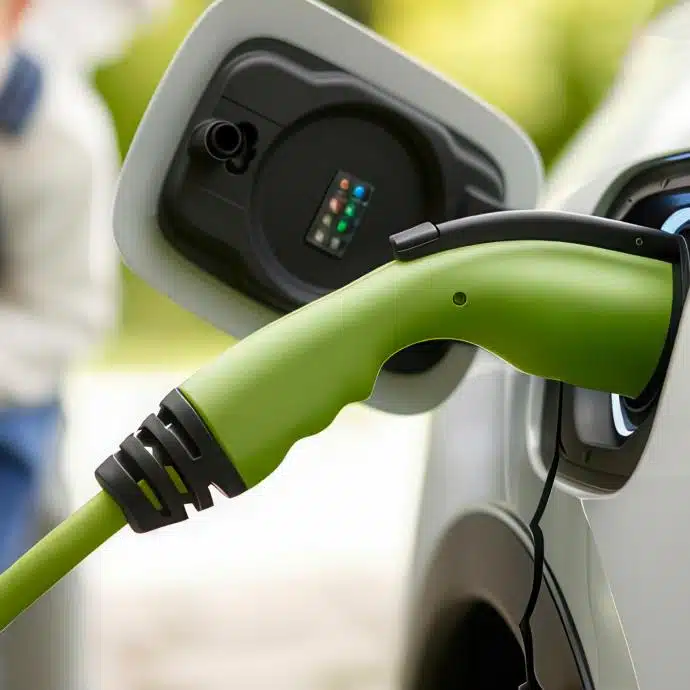
On a lighter and professional-related note, electric vehicles have come in handy. Gas has been challenging to find, and the lines are long. As power gets restored, local electric vehicle drivers have been able to stay juiced. I am delivering supplies and doing wellness checks on folks in need with our Tesla Model Y. With cell service down, my wife is using our Chevy Bolt to get hand-written scripts from doctors in Asheville to folks 20 miles away in Black Mountain.
Electric vehicles have come in handy. Gas has been challenging to find, and the lines are long. As power gets restored, local electric vehicle drivers have been able to stay juiced.
We have been staying charged using non-networked public Level-2 chargers where power has been restored, and now at home (networked chargers have been unusable without cell/WiFi availability, a problem we will discuss later!).
This disaster has strengthened my EV resolve and validated that diversifying and electrifying our transportation sector is a resilience and climate imperative.