

Press Mention Public News Service April 8, 2026
SACE Quoted
North Carolinians continue to buy EVs as manufacturing slows
In this mention
A Southern Alliance for Clean Energy report shows North Carolina continues to lead the Southeast in electric vehicle adoption and charging infrastructure deployment, with 22% growth in EV charging ports in 2025 despite a national slowdown in EV manufacturing. Stan Cross, SACE's electric transportation director, credits North Carolina's effective planning and community engagement while warning against the politicization of electric vehicles at the federal level. The state has allocated all $109 million in federal EV charging funds, the most of any southeastern state.
The state's really doing a phenomenal job, and their Department of Transportation has done the work to plan effectively, engage community, and deploy what's likely to be a really great example of a good backbone of fast-charging infrastructure across the state.
Stan Cross
Original clipping
PDF didn't open? Open it in a new tab →
Full transcript
North Carolinians continue to buy EVs as manufacturing slows
By Zamone Perez - Producer
Apr 9, 2026
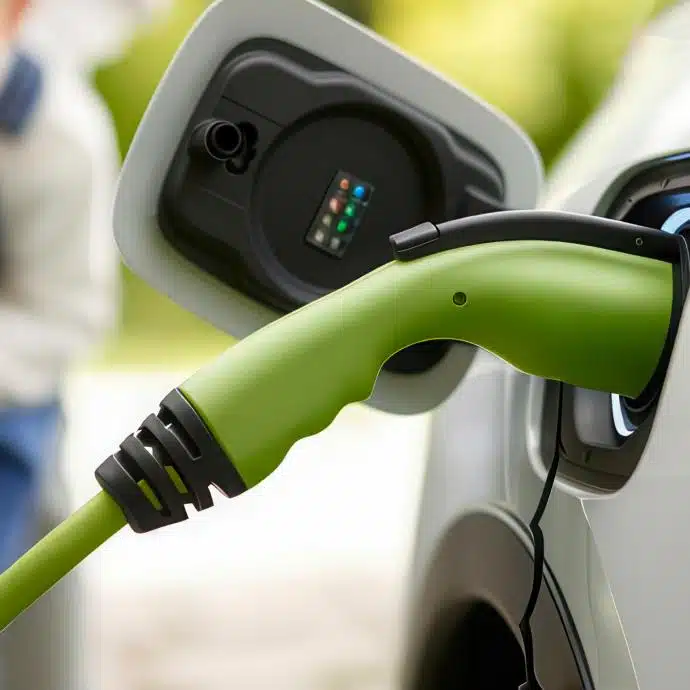
North Carolina has allocated all of its $109 million in federal electric vehicle charging station funds, the most of any southeast state. (Adobe Stock)
More North Carolinians are buying electric vehicles despite an apparent slowdown in production, according to a new report.
Research from the Southern Alliance for Clean Energy shows growth in manufacturing investment and employment has ground to a halt in the Tar Heel State. Stan Cross, electric transportation director for the alliance, points to both a stark change in federal policy over the last year and natural decline as the EV market matures.
He said North Carolina is a leader in the Southeast for building out charging stations for EVs. It's the only state in the region to obligate all its funds from the federal electric vehicle charging program, totaling more than $100 million.
"The state's really doing a phenomenal job," he said, "and their Department of Transportation has done the work to plan effectively, engage community, and deploy what's likely to be a really great example of a good backbone of fast-charging infrastructure across the state."
Electric vehicle tax credits, previously set to run through 2032, were ended last September following the passage of President Donald Trump's budget bill. Republicans in Congress argued the tax credits unfairly propped up the EV industry.
After the tax credits expired, EV sales in the Southeast dropped by nearly half, but early indicators show it may be rebounding. However, Cross argued the electric vehicle market is a major area of potential growth and job creation. He urged lawmakers at the federal level to stop the politicization of electric vehicles.
"Congressmen and women who represent districts here in the Southeast need to be really bringing the needs and aspirations of their constituents to Washington," he said, "and making sure that this political hot potato that electric transportation has become cools down. It is to nobody's interest for EVs to be politicized."
North Carolina saw 22% growth in total electric-vehicle charging ports in 2025.