

Press Mention The Miami Herald January 29, 2012
SACE Quoted
Homeowners and businesses who invest in renewable energy could get a tax break under plan
In this mention
The Florida Senate committee advanced SB 7202, a bill offering $16 million annually in tax incentives for renewable energy investments by businesses and homeowners. Susan Glickman of the Southern Alliance for Clean Energy testified that the bill is a small step forward but criticized the state's failure to strengthen energy efficiency requirements, noting that Florida lags behind other states in clean energy policy.
Energy efficiency is always cheaper than a new plant…even the cheapest power plant
Susan Glickman
Full transcript
ENERGY
Homeowners and businesses who invest in renewable energy could get a tax break under plan
By Mary Ellen Klas
Legislators revive the debate over renewable energy in Florida with a Senate bill that promises tax credits for companies and homeowners.
By Mary Ellen Klas
Herald/Times Tallahassee Bureau
TALLAHASSEE --
A Senate committee revived the stalled debate over renewable energy in Florida on Monday and moved forward with a bill to give $16 million a year in tax incentives to businesses and homeowners, beginning next year.
The measure, being pushed Agriculture Commissioner Adam Putnam, was introduced by the Senate Communications, Energy and Utilities Committee on Monday and will be voted on next week. It was described by energy advocates as a small step towards encouraging a market for renewable energy in Florida and weaning the state off its dependence on natural gas.
The bill, SB 7202, would allow for large companies, such as large as Walmart and Publix, as well as individual homeowners, to get sales tax breaks and tax credits if they invest in renewable energy machines, products and technology.
Renewable energy includes everything from solar panels to bio-fuels, wind farms and tidal power. Last year, legislators allowed a series of similar tax credits to expire.
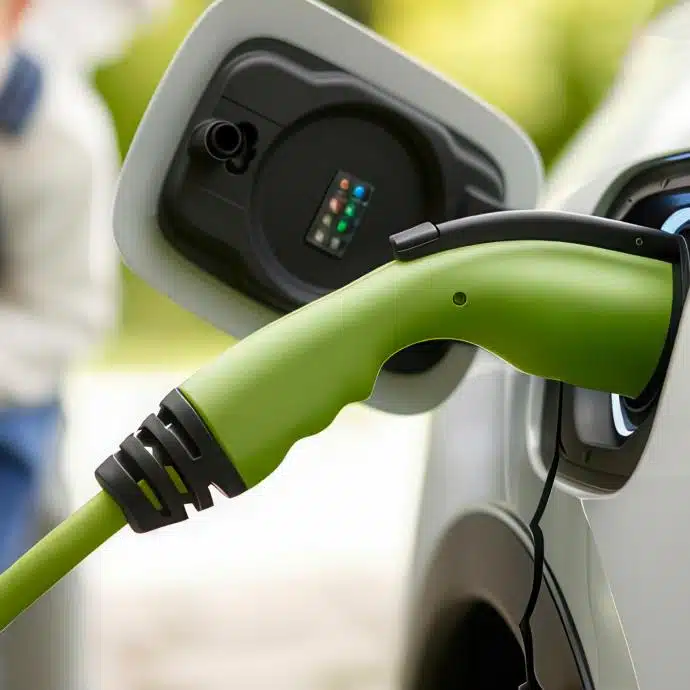
The Senate bill also allows companies to install electric car charging stations without having to be regulated like a utility company. It includes algae among the list of authorized bio-fuels. It also requires the state's utility board, the Public Service Commission, to require that electric utility companies be judged on their fuel diversity when they seek approval for new power plants.
Florida utilities rely on natural gas to generate more than half of the state's electricity, a fuel that is dependent on foreign sources and transportation to bring to the state.
Proponents of renewable energy have argued for years that the state should encourage the domestic production of alternative fuels with incentives that jump-start competition.
Matthew Carter, the committee's staff director and a former PSC chairman, emphasized what the bill did not contain: "no rate increase for ratepayers.''
For the past three years, the state's largest utilities used the renewable energy debate to push for a bill that would allow them to raise rates on customers so they could develop solar farms. Year after year, the measure stalled. This year, Putnam has proposed the state's large utilities get automatic approval to raise rates so they can develop up to 75 megawatts a year in renewable energy, but the Senate has not yet included that provision in the bill.
Susan Glickman, of the Southern Alliance for Clean Energy, disagreed with Carter that the bill will not raise costs to customers. She said that if legislators fail to include stricter energy efficiency requirements, and allow the PSC to maintain the status quo, customer bills will automatically rise.
"Energy efficiency is always cheaper than a new plant…even the cheapest power plant,'' Glickman told legislators. But Florida's PSC last year "threw out the conservation goals for half the state" rather than require companies to capitalize on energy efficiency programs as regulators do in 17 other states. SACE, the clean energy advocacy group, is suing the PSC for that decision, alleging it has violated state law.
Under current law, the PSC is allowed to pass on the fuel costs to customers each year as well as pass along the cost of planning for projected nuclear power plants. FP&L; customers, for example, will see a fuel charge this year of about $1.87 per month for every 1,000 kilowatt hours of power used, according to the company, and $1.52 per month to pay for nuclear projects.
The Senate bill "is a small step in the right direction,'' Glickman said, but added. "Florida is definitely behind other states under most measures and will remain so.''
Mary Ellen Klas can be reached at meklas@MiamiHerald.com and on Twitter @MaryEllenKlas