

Press Mention The Current GA / WABE October 8, 2025
SACE Referenced
GA Halves Per Capita Greenhouse Gas Emissions
In this mention
Georgia has reduced per-capita greenhouse gas emissions by 45% from 2005 to 2023, largely through replacing coal with natural gas and solar power, while growing its economy by 127%. A Georgia Tech analysis found that transportation is now the state's leading source of emissions, though a Southern Alliance for Clean Energy report highlights a bright spot: Georgia led the nation in commercial electric vehicle sales with over 3,000 units sold in the last year, primarily delivery and cargo vans. The state still faces challenges in electrifying buildings and freight fleets to further reduce emissions.
Sales of non-passenger medium- and heavy-duty commercial electric vehicles soared in Georgia in the last year, leading the country with more than 3,000 vehicles sold.
SACE
Original clipping
PDF didn't open? Open it in a new tab →
Full transcript
Georgia has cut its greenhouse gas emissions per person nearly in half in the last 20 years, mostly by replacing coal power plants with natural gas and solar. But the state still has a long way to go to cut emissions enough to make a dent in climate change, according to a new analysis by Georgia Tech researchers in partnership with Drawdown Georgia.
Georgia's net emissions totaled 92 megatons in 2024, down from 141 megatons in 2005.
The state's carbon dioxide emissions per person dropped by 45% from 2005 to 2023, the third-largest reduction in the country according to the Energy Information Administration. The Georgia Tech analysis found a 49% drop by 2024.
Report author Marilyn Brown, a professor at the Carter School of Public Policy at Georgia Tech, said the decline is especially impressive because in the same period, the state's economy has boomed.
"What we're doing is proving you can grow your economy, you can grow your population and reduce your emissions," she said.
Georgia's net emissions – the amount of carbon dioxide put out minus what's absorbed by carbon sinks like forests and marshes – dropped by 33% from 2005 to 2024, while the state's GDP grew by 127%, according to Brown's analysis. That means the carbon intensity of Georgia's economy, a measure of emissions per unit of economic output, dropped by 71%.
But the state still has a long way to go to further cut emissions, which is key to fighting climate change. Meanwhile, Georgia Power is extending use of its remaining coal plants and adding natural gas capacity, which produces less carbon dioxide than coal but does still generate greenhouse gases.
And residential use of natural gas has actually increased. Electric heat pumps are popular in rural areas without access to gas, Brown said, but Georgia's cities aren't switching to them as quickly.
"Heat pumps pay for themselves rapidly, but people are afraid to retire an operating gas system," she said.
Transportation emissions – now Georgia's leading source of greenhouse gases – are about the same as in 2005. Emissions from diesel trucks have increased, thanks to a booming freight sector and the increasing popularity of online ordering and deliveries, the report finds.
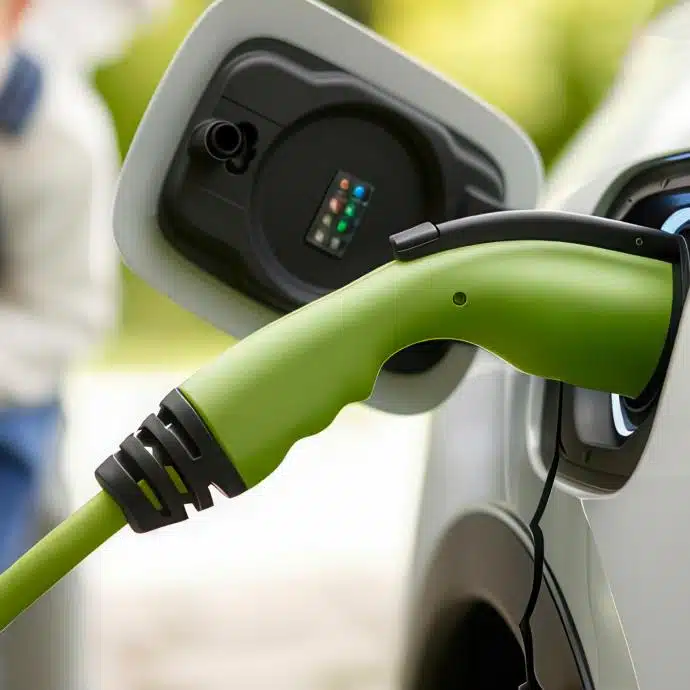
Delivery vehicles could be a potential bright spot in the years to come, though, according to another report by the Southern Alliance for Clean Energy, looking at electric vehicle trends in the region. Sales of non-passenger medium- and heavy-duty commercial electric vehicles soared in Georgia in the last year, leading the country with more than 3,000 vehicles sold. The SACE report credited that trend largely to delivery and cargo vans.
The Georgia Tech report lays out recommendations for further cutting emissions, including expanding EV adoption and further electrifying freight fleets, further decarbonizing electricity with large-scale solar and storage, and electrifying buildings.
It also highlights the state's carbon sinks like forests, which go a long way to offsetting Georgia's emissions.
"We are sinking as much CO2 almost as the magnitude of our transportation sector's emissions," said Brown. "It's very big, so we need to protect that."