

Note: This article was originally shared in SACE’s free newsletter, “Wired In,” which includes relevant articles, media clips, and actions to take. Join us to receive Wired In once a month in your inbox, and see September’s full newsletter here.
Across the Southeast, data centers are driving extraordinary growth in electricity demand, and monopoly utilities are using it to justify a wave of new fossil gas plants. Duke Energy says data centers account for more than 85% of expected load growth. Big Tech is racing to build, and our communities are left with higher power bills, strained water supplies, more pollution, and deals struck behind closed doors. But from rural counties to major cities across the Southeast, residents are pushing back, packing town halls and public hearings to demand answers and a real say in what gets built in their backyards.
That’s why SACE supports an 18-month moratorium on new large data centers in our region. It’s also why we launched our new Data Center Resource Hub, where you can learn what’s at stake, track proposals near you, and sign the moratorium petition for your state. We’ll keep adding resources, so check back often.
North Carolina shows what this looks like up close. Duke wants to build two massive methane gas plants and a first-of-its-kind “enhanced” LNG facility on the last serene stretch of the Yadkin River in Davidson and Davie counties, all to serve data centers. Our Q&A article explains how the complex would pollute nearby communities from 195-foot smokestacks, draw millions of gallons of river water, and light up the rural night sky. None of it is final. County commissioners and state regulators still have the power to say no.
In Tennessee, where Knoxville and Knox County have already paused new large data centers, former Knoxville Vice-Mayor Andrew Roberto argues in his guest article, “No Blank Check for Data Centers,” that communities deserve to know who pays, who benefits, and what risks they’re taking on before projects are approved. That matters even more in TVA territory, where the utility’s own board serves as its sole regulator.
Reining in this gold rush takes a whole-of-government approach. County commissions decide zoning and tax breaks. Utility regulators decide which power plants get built and who pays for them. Statehouses and Congress set the rules. No single level can fix this alone, and the people who hold or appoint every one of those seats answer to voters.
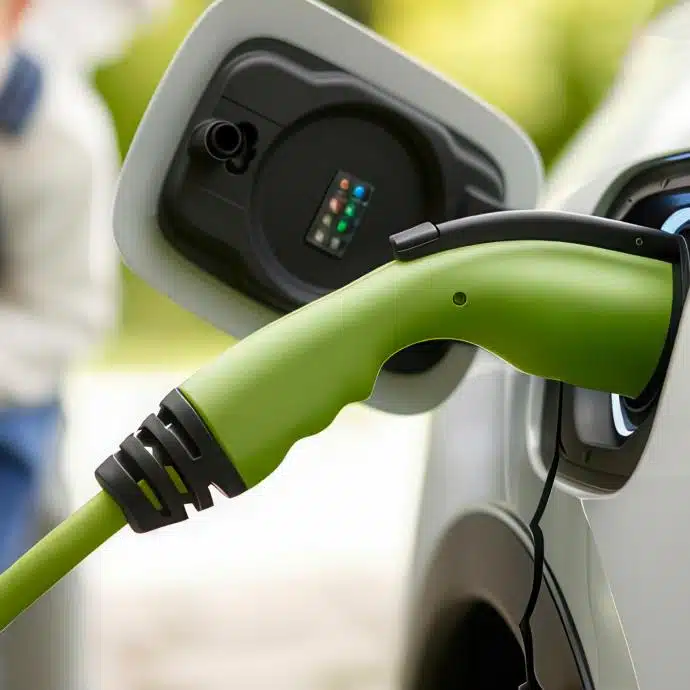
Those same decisions shape the Southeast’s clean energy economy. Our “Transportation Electrification in the Southeast” seventh annual report finds the region passed 1 million cumulative EV sales, with new passenger EV sales up 25%. At the same time, federal rollbacks and market consolidation pushed manufacturing investment and jobs down for the first time in seven years. Meanwhile, local solutions deliver real results. On Atlanta’s westside, community partners and Georgia Power built a workforce program that helped 16 of 20 graduates land jobs or enter continuing education within about a month.
Midterm elections are right around the corner. Make sure you’re registered, find out when early voting begins, and look up who’s on your ballot. Our Where the Candidates Stand 2026 series shows where candidates in closely watched races stand on clean energy, data centers, and affordable utility bills. Then keep going: sign your state’s moratorium petition and join the Clean Energy Generation to get timely ways to take action and keep the pressure on before and long after the polls close.
Join the Clean Energy Generation
To view the full September 2026 “Wired In” newsletter with featured stories and ways to take action, click here.
#WiredInNewsletter

