


This article by Generation180 Executive Director Stuart Gardner was originally published on July 9.
On June 23, Generation180 brought something Washington doesn’t hear enough of: Real stories from real communities about what clean energy is actually doing for people’s lives.
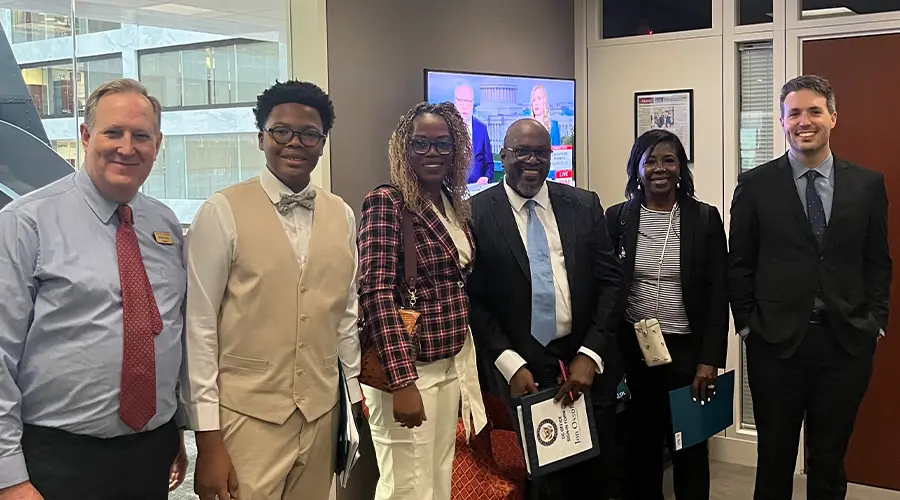
As part of our Energy for All Y’all campaign, in partnership with the Southern Alliance for Clean Energy (SACE) and the Southeast Sustainability Directors Network (SSDN), we headed to Capitol Hill for a DC fly-in, and we didn’t go alone. Three of our trusted messengers came with us, leaders who are living this work every day back home. Mayor Mondale Robinson of Enfield, North Carolina, has been building a clean energy future for his town of 2,300 people, from a community solar farm to a first-of-its-kind rural geothermal network. And in Savannah, Georgia, Beverlee Trotter, executive director of Savannah Youth City, has spent years preparing families for climate impacts and building the kind of community resilience that shows up when the power goes out and help is still hours away. Her son Howie, 15, hosts a podcast to engage his peers in similar conversations about resilience and climate.
Together, we met with legislative staffers from Georgia Senators Warnock and Ossoff, North Carolina’s Senator Budd and Representative Davis, and Pennsylvania’s Representative Evans.
Here’s what stood out: Congress wants to hear these stories. Again and again, staffers told us it’s easy to get lost in policy abstractions on the Hill. What breaks through is hearing directly from a mayor who’s cutting energy bills in a town of 2,300, or a community leader who’s trained her neighbors to survive a hurricane when the grid fails. Several offices offered letters of support and asked to schedule site visits to see these projects firsthand.
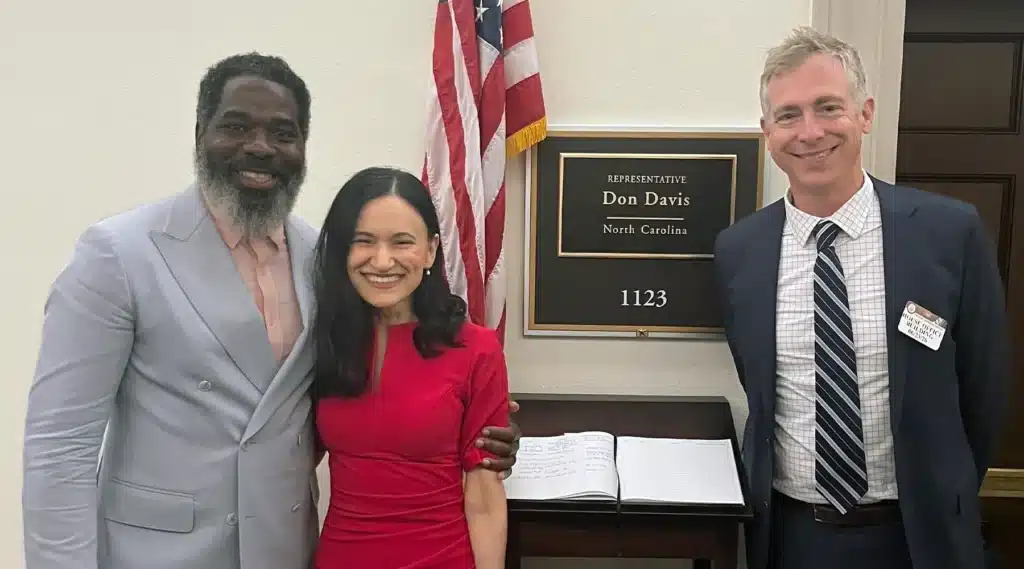
We also didn’t shy away from the hard stuff. We were direct about the real-world harm of recent clean energy policy rollbacks, the jobs at risk, the projects stalled, the costs shifted right back onto families who can least afford them. And we connected the dots to what’s coming next: As data centers strain the grid, the need for energy efficiency, resilience, and grid modernization has never been more urgent.
Affordability was the thread running through every meeting. Workforce development. Cost savings. Health and safety. These aren’t side issues, they’re the case for clean energy, made in language that lands regardless of party. As one staffer put it, hearing these everyday success stories is exactly what lawmakers need as they weigh what comes next.
Our ask was clear: Protect ratepayers, invest in energy efficiency and grid modernization, and build resilience into every community, especially the ones too often left out of the clean energy conversation.
Mayor Robinson and Ms. Trotter didn’t need talking points. They had lived experience, and that’s what moved the room. This is the power of trusted messengers, and it’s why we’ll keep bringing these voices to the places where decisions get made.
Want to see clean energy success stories from across the South? Visit Energy for All Y’all to read more.
