

The Inflation Reduction Act (IRA) created historic avenues for affordable clean energy upgrades when it was enacted in 2022. But this year, H.R.1, the one big budget bill, passed by the current majority in Congress and President Trump, is eliminating tax incentives for everything from electric vehicles to heat pumps, solar panels, and home weatherization — all effective and often expensive home energy upgrades that Americans can use to lower their energy bills and reduce their carbon footprint.
All of the home energy improvement tax credits were in place through at least 2032 prior to H.R. 1, with many residents counting on using the credits the next time they need to replace their AC or purchase a car. But the new law aggressively cuts the timeframe of availability of the credits, essentially equalling an immediate repeal. Instead of the credits being in place for 10+ years, as many taxpayers expected, they will have 6, 7, or even 9 years of availability eliminated.
Whether you rent or own your home, there’s still time to save on home energy upgrades before H.R.1 takes away the incentives. SACE has compiled a list of current federal programs, including eligibility criteria, deadlines, and application procedures. Act soon, because some incentives will end as early as next month.
Since the legislation did not revoke funding for state efficiency and electrification rebate programs, you may also have options for home energy incentives depending on your state. Stay tuned for a follow-up article outlining state-specific rebates.
The information below is general information and useful for many people, but it is not comprehensive and not applicable to every taxpayer. Some people won’t have enough tax liability, while others may make too much income to qualify for certain credits. Some credits are available for renters, while others are exclusive to owners. Please do not treat the information below as personal tax advice!
Federal Clean Energy Tax Incentives
- Credit for purchasing a new EV
- Requirements: Vehicle must be a qualified model (see qualified models here); household income caps apply; MSRP limits apply; tax credit must be initiated by the dealership and approved at the time of sale. View other requirements here.
- Deadline: Must purchase by September 30, 2025 to qualify
- Credit for purchasing a used EV
- Credit value of 30% of the cost of the vehicle, up to $4,000
- Requirements: Vehicle must be a qualified model (see qualified models here) at least two years old; must be purchased through a dealer; price must be under $25,000; household income limits apply; purchaser can’t have claimed another used EV tax credit in prior 3 years; vehicle can’t have been sold to last owner after August 16, 2022; tax credit must be initiated by the dealership at the time of sale. View other requirements here.
- Deadline: Must purchase by September 30, 2025
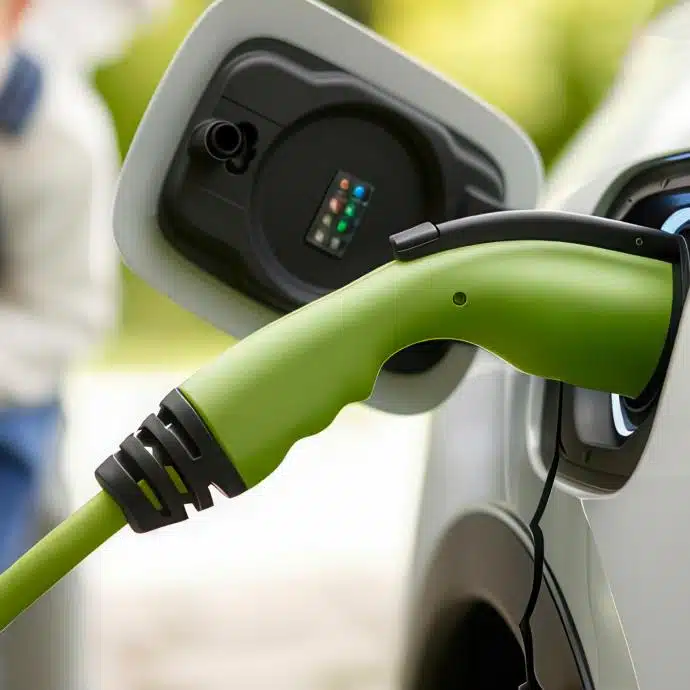
- Credit for installing EV chargers
- Credit value of 30% of the project cost, up to $1,000, for each charging port
- Requirements: Installation of qualified EV home charging equipment; only available in low-income or non-urban census tracts. View additional details and qualified census tracts here.
- Deadline: Must be placed into service by June 2026
- Credit for making home improvements that increase energy efficiency, including insulation, air sealing, doors, windows, skylights, central AC, heat pumps for HVAC, heat pump water heaters, and certain electrical work, and also performing energy audits
- Credit value of 30% of project cost, with various caps, depending on project type. Some projects receive credit only for materials, not labor.
- View additional details here
- Deadline: Improvements must be placed in service by December 31, 2025
- Credit for installing home renewable energy, like solar, wind turbines, geothermal heat pumps, and/or home batteries
- Credit value of 30% of project cost, with no cap
- If you do not have enough tax liability to use the entire credit in a single year, you can carry forward any unused credit to reduce your taxes owed in future years.
- View additional details here
- Deadline: Credit expires December 31, 2025
Act Now
The passage of the IRA marked the most significant climate legislation in U.S. history, allocating historic funding to clean energy production and helping residents decarbonize their homes. President Trump’s H.R. 1 will not only revoke funding from clean energy industries but also quash the opportunity for many Americans to make their homes a comfortable, clean, and safe environment. With some federal tax credits set to expire as early as next month, now is the time to take advantage of these funds before they are unavailable.


