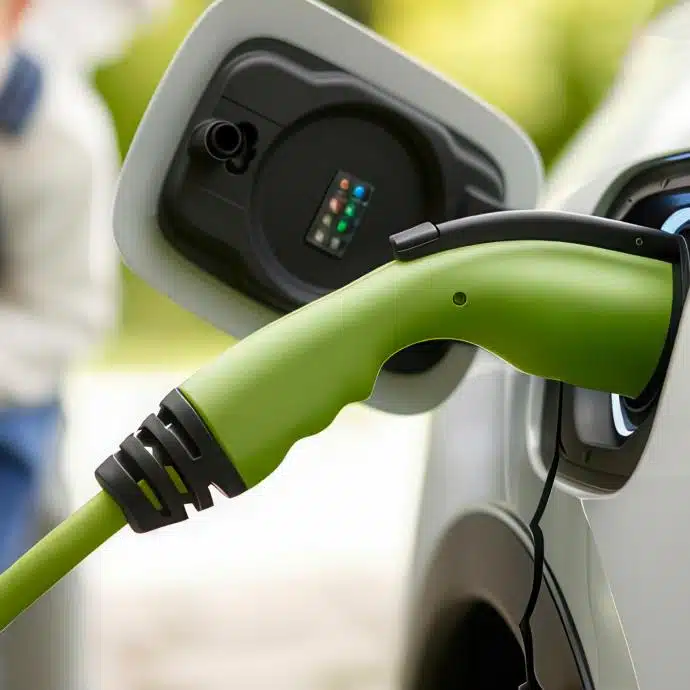


When the City of Coral Gables purchased its first electric vehicles in 2016, the technology was still relatively new. Range anxiety was common, public charging stations were scarce, and many fleet managers across the country were unsure whether electric vehicles (EVs) could reliably serve government operations.
A decade later, Coral Gables has built one of the most electrified municipal fleets in the nation.
Today, the city operates 75 fully electric vehicles — roughly 12 to 13 percent of its fleet — and continues expanding its electric transportation efforts into new areas, including police vehicles, public charging infrastructure, and even heavy-duty fleet applications.
“We’re proud of where we’ve come from, where we’re at, and excited about where we’re going,” said Matthew Anderson, Coral Gables’ Assistant Director of Mobility and Sustainability.
Starting Small, Thinking Long-Term
Coral Gables’ electrification journey began with a simple question: Which vehicles could realistically be replaced with electric models?
Working alongside the city’s fleet director, Anderson helped evaluate dozens of vehicles across departments. The team identified 60 to 70 vehicles that could potentially transition to electric power as they reached the end of their replacement cycles.
Rather than making sweeping changes all at once, the city focused on non-mission-critical vehicles during emergencies, such as administrative and inspection vehicles.
Through a combination of manufacturer incentives and creative leasing arrangements, Coral Gables acquired its first fleet of Nissan Leafs for approximately $18,000 to $19,000 per vehicle, comparable to, and in some cases cheaper than, gasoline-powered alternatives.
The city ultimately purchased 20 electric vehicles in its first round and received two fast chargers from Nissan to support the new fleet.
“We wanted to see what was possible,” Anderson said. “It made sense from a sustainability perspective, but it also made sense financially.”
Building Confidence Alongside Infrastructure
Coral Gables learned early on that the biggest barrier to EV adoption had little to do with technology. It was about people.
Some employees were initially hesitant about driving EVs, unsure how charging worked or whether the vehicles could meet their daily needs. To help ease concerns, Anderson and the fleet director personally introduced drivers to the vehicles and answered questions one-on-one.
The city also made charging convenient by installing infrastructure where employees already parked their vehicles, eliminating trips to fueling stations.
For Coral Gables, the transition worked because vehicle usage patterns aligned well with EV capabilities. Most city vehicles travel only 15 to 20 miles per day, making even the earliest generation of electric vehicles more than capable of meeting operational needs.
As the city expanded its fleet, it also expanded access to charging.
Today, Coral Gables owns more than 56 charging ports across parking garages, surface lots, and municipal facilities. City vehicles share access to much of that infrastructure with residents and visitors, helping support EV adoption beyond city operations.
Learning Along the Way
Like any long-term technology investment, the city’s EV program has required adjustments. Several of the original Nissan Leafs experienced battery degradation after years of use. Working with Nissan, Coral Gables successfully replaced many batteries under warranty, extending the vehicles’ service life well beyond the city’s original plans.
The experience also taught an important lesson about charging practices. Early reliance on fast charging accelerated battery wear, leading the city to invest more heavily in Level 2 charging infrastructure for routine fleet use. The result has been a fleet that remains highly reliable while requiring significantly less maintenance than traditional vehicles.
“For the most part, these things are maintenance-free,” Anderson said. “There’s checking tires, windshield washer fluid, and if there’s a major issue, it’s still under warranty.”
That reduced maintenance burden allows fleet staff to focus their attention on more demanding equipment, such as garbage trucks, emergency response vehicles, and transit vehicles.
Leading by Example
Coral Gables’ success has attracted attention from municipalities throughout South Florida. Over the years, the city has hosted numerous local governments interested in learning how electrification could work for their own fleets. Anderson says the most effective part of those visits isn’t hearing from sustainability staff — it’s seeing fleet directors speak directly with one another.
“They know their challenges. They know their industry,” Anderson said. “Seeing that this works and hearing it from another fleet director really helps.”
Those peer-to-peer conversations have helped other communities become more comfortable with fleet electrification and have inspired several municipalities to begin their own transitions.
The city’s leadership role extends beyond fleet operations. Coral Gables has actively participated in regional and statewide sustainability networks, including the Southeast Florida Clean Cities Coalition and the Southeast Sustainability Directors Network, helping share lessons learned and best practices across Florida.
Tackling the Next Frontier
While many of Coral Gables’ light-duty fleet vehicles have already transitioned to electric power, the city’s next challenge lies in higher-impact applications. This year, Coral Gables ordered three pursuit-rated electric police vehicles, marking a significant step toward electrifying one of its most fuel-intensive departments. The city is also piloting an electric garbage truck through a partnership with Battle Motors, testing how electric technology performs in demanding real-world conditions.
At the same time, Anderson is pushing manufacturers to develop electric alternatives for the city’s trolley fleet. Coral Gables operates 13 diesel-powered trolleys, but electric trolley technology remains limited. The city has expressed interest in piloting electric models as soon as commercially viable options become available.
“The biggest fuel users are police and fire,” Anderson said. “That’s really the next step.”
Investing in the Future
Coral Gables’ commitment to electrification extends well beyond its fleet. The city is developing a new mobility hub that will include extensive EV charging infrastructure, with an entire floor dedicated to electric-vehicle access and charging. EV readiness is also being incorporated into new municipal parking facilities and redevelopment projects, ensuring infrastructure keeps pace with growing demand.
Those investments are already producing benefits beyond emissions reductions. Anderson says Coral Gables frequently sees drivers from outside the city use its charging network, bringing additional customers to local businesses while their vehicles charge. Restaurants, coffee shops, and retailers all benefit from drivers spending time in the community.
“We’ve had residents tell us they bought an electric vehicle because the city invested in charging infrastructure,” Anderson said.
For Coral Gables, that outcome reflects a decade of thoughtful planning, strong leadership support, and a willingness to learn through experience.
Anderson believes those ingredients are essential for any community considering a similar path.
“Relationships are the most important thing you can have,” he said. “You want to make sure the departments you’re partnering with are aligned and that what you’re doing helps support them as well.”
Ten years after purchasing its first EVs, Coral Gables continues to prove that fleet electrification is practical, cost-effective, and increasingly part of how cities prepare for the future.

