

Note: This article was originally shared in SACE’s free newsletter, “Wired In,” which includes relevant articles, media clips, and actions to take. Join us to receive Wired In once a month in your inbox, and see June’s full newsletter here.
We are blessed with an abundance of energy. Not the kind we claw from deep underground, the dead carbon left by ancient life, pressurized over the ages into the coal, oil, and gas we burn at the cost of our climate and our health. The real abundance pours down on us every day, for free, from our nearest star. More solar energy reaches the Earth in a single hour than all of humanity uses in an entire year, a fact documented by the U.S. Department of Energy. The fuel is already here. It always has been.
Here is the part we too often forget: even the fossil fuels are sunlight. Every lump of coal and barrel of oil is ancient sunshine, energy the sun poured onto this planet millions of years ago, captured by living things and then buried deep in the Earth’s crust. That burial was not waste. It was balance. By locking that old carbon away underground, the planet kept its atmosphere stable enough for life to flourish, including ours. When we dig it back up and burn it, we unspool hundreds of millions of years of stored sunlight in the span of a few generations, throwing the very balance that made us possible into disarray. We are spending an inheritance we do not understand, and the climate disruption around us is the bill coming due.
The choice in front of us, then, is really a choice between two kinds of sunlight. We can keep tearing up the ancient kind the Earth had the good sense to bury, or we can harvest the fresh kind that arrives free every morning. One path leads to a future where people and communities thrive on a living, viable planet. The other leads deeper into fear of the next flood, the next heat wave, the next storm supercharged by a warming world. It is, at bottom, a bet on what gives us life over what brings destruction.
What too many people still do not grasp is how completely the ground has shifted in just the last decade. Solar power, paired with battery storage, has gone from a niche add-on to a workhorse technology that is cheaper, cleaner, and lower risk than the fossil alternatives. This is no longer an aspiration; it is the most affordable new electricity we can build. You can see the proof in our “Solar in the Southeast” Ninth Edition report, which tracks solar’s explosive growth across the region and names the leaders driving it. And as Amanda Arthur lays out in our new analysis of plug-in solar, the technology has become so safe and accessible that the main thing holding it back in many places is outdated regulation, not physics and not cost.
So why is the transition not moving faster? Because the big monopoly utilities still carry an institutional bias against solar. Their business model rewards them for building expensive things — the gas plants, pipelines, and storage infrastructure that pad shareholder returns and executive pay. They will tell you methane gas is cheaper, cleaner, and safer. It is none of those things. It is the fuel of yesterday’s profits, and ratepayers are the ones left holding the bill and breathing the consequences. Shelley Robbins shows exactly how this plays out in North Carolina, where regulators have greenlit at least seven large gas projects since 2022 with more on the way. It is past time to ask when it stops.
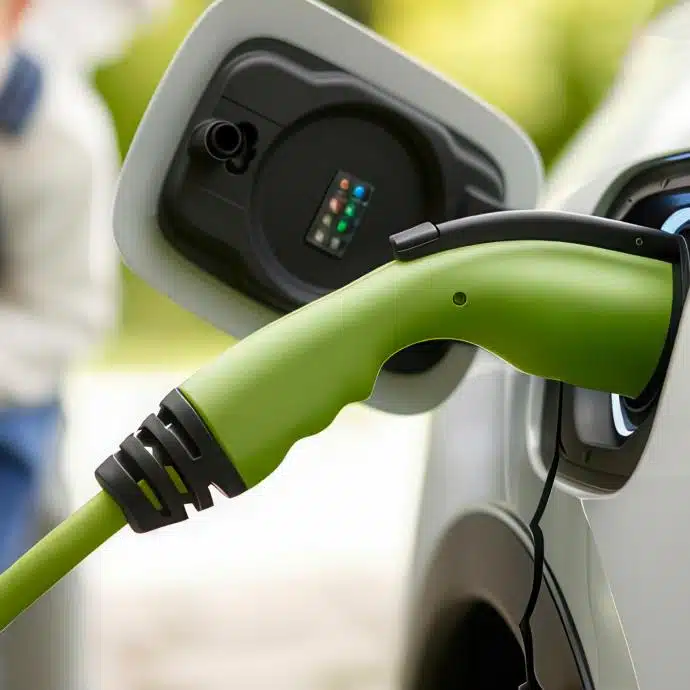
The good news is that the future is already being built, from the inside out. In Atlanta’s Westside, the Resilience Corridor is pairing solar, storage, weatherization, and workforce training to cut bills and protect families in neighborhoods too often left behind. On our streets, EVs are doing double duty as power banks on wheels, ready to keep the lights on when the grid goes down. This is what betting on the sun looks like in practice: cleaner air, lower bills, stronger communities, and a livable planet to hand to the next generation. Read on, then join us. The Clean Energy Generation is how we turn that abundance into action.
Join the Clean Energy Generation
To view the full June 2026 “Wired In” newsletter with featured stories and ways to take action, click here.
#WiredInNewsletter


