


During the Biden Administration, Congress passed the Infrastructure Investment and Jobs Act and the Inflation Reduction Act, two pieces of legislation that led to an unprecedented level of public- and private-sector clean energy investments, including boosting domestic electric vehicle (EV), battery, and supply chain manufacturing; expanding EV charging infrastructure; and incentivizing EV, truck, and bus adoption.
And they worked. These policies have spurred more than $292 billion in private-sector clean energy investment across 49 states, with anticipated job creation of approximately 358,000 — progress now in jeopardy.
In 2025, the policy landscape changed. The Trump Administration has led the crusade to deliver a gut punch to the EV market and eviscerate the Biden-era policies, regulations, and incentives that have helped boost EV market momentum. The current administration has taken unprecedented steps to undermine the Clean Air Act, loosen federal fuel-efficiency standards, revoke states’ rights to set stricter tailpipe emissions standards, and eliminate incentives such as EV tax credits that have helped new- and used-car shoppers switch to EVs.

Make no mistake, the oil industry is driving the rollback of supportive EV policies and regulations. Oil companies are increasingly concerned as EVs displace the internal combustion engine, which is the oil industry’s largest customer. Their concern is warranted, given that more than one in four cars sold globally this year will be EVs. In America, where the oil industry has outsized political influence, it is leveraging that power to slow the transition to electric transportation and hinder the EV market’s expansion.
Hinder as they may, the oil industry and their paid-for politicians can’t halt the shift to EVs.
The ABCs of EVs
Despite the political whipsawing, the latest J.D. Power consumer interest survey shows that 24.2% of active shoppers say they are “very likely” to consider buying or leasing an EV in the next 12 months, the highest level of EV consideration since January 2025. Consumer interest remains strong because EVs have proven to be more affordable, better, and more convenient than the old technology:
- Affordable—Driving an EV saves the average consumer $1,000 annually in avoided gasoline costs and hundreds of dollars more in avoided maintenance.
- Better—EVs are technologically cutting-edge, high-performing, and fun to drive, and reduce greenhouse gas emissions upwards of 80% compared to gas cars.
- Convenient—For most EV owners, 80% of EV charging occurs at home while they sleep; the average EV range has tripled over the past decade to approximately 300 miles; and public EV charging infrastructure has expanded to over 234,000 ports nationwide.
A is for Affordability, U is for Used
Affordability remains a priority for Americans, regardless of political ideology. In the recent November elections, voters ousted incumbents they blamed for rising bills and elected candidates they trusted to make life more affordable. With voters demanding that elected officials address affordability and consumer interest in EVs remaining unshakeable, the EV market has an ace up its sleeve: The best way for consumers to lower their energy and transportation costs is to ditch gas and switch to EVs, especially used ones.
Over the past five years, consumers have leased millions of new EVs. As these leases expire, most leased EVs will enter the used-car market, where two-thirds of consumers buy cars. Used EVs already compete with gas vehicles on price and outperform them on value, meaning many consumers priced out of the new-vehicle market now have access to more affordable EV ownership.
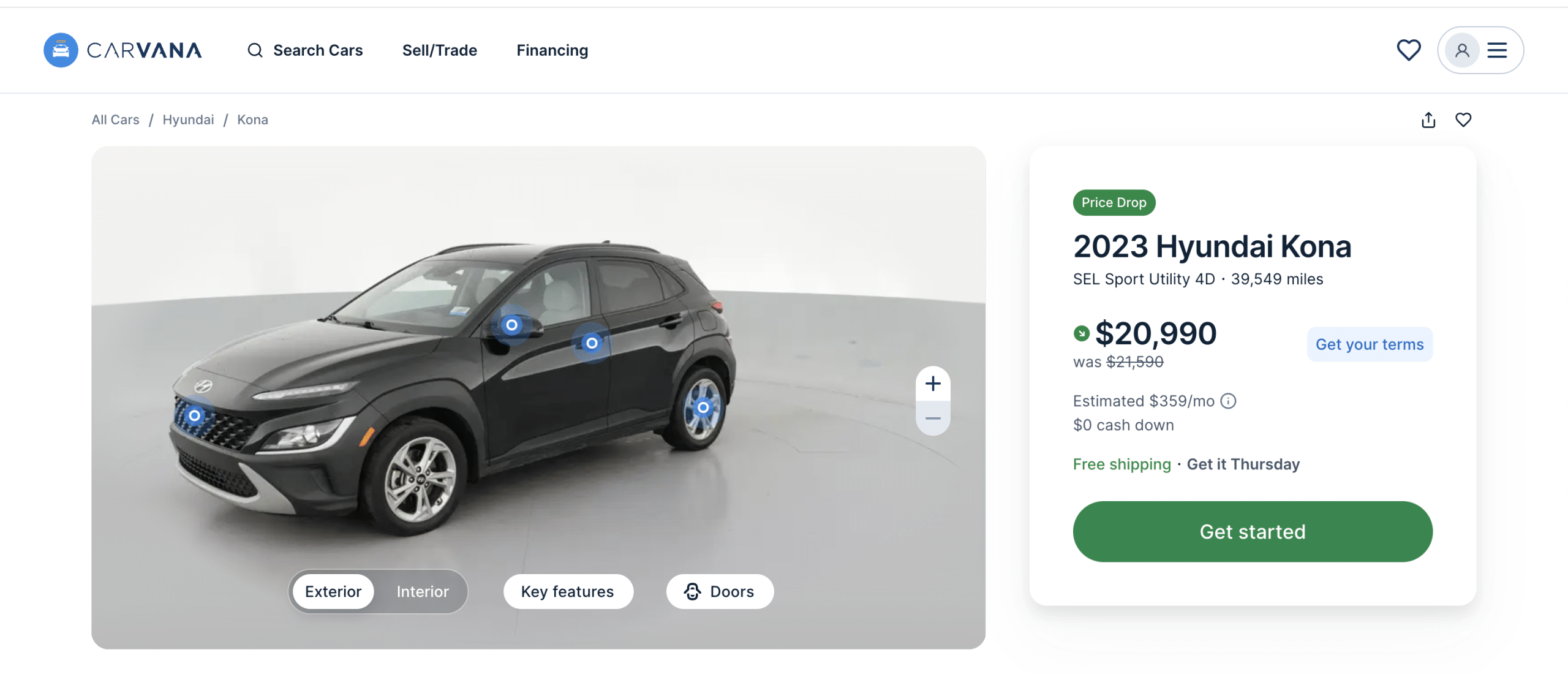
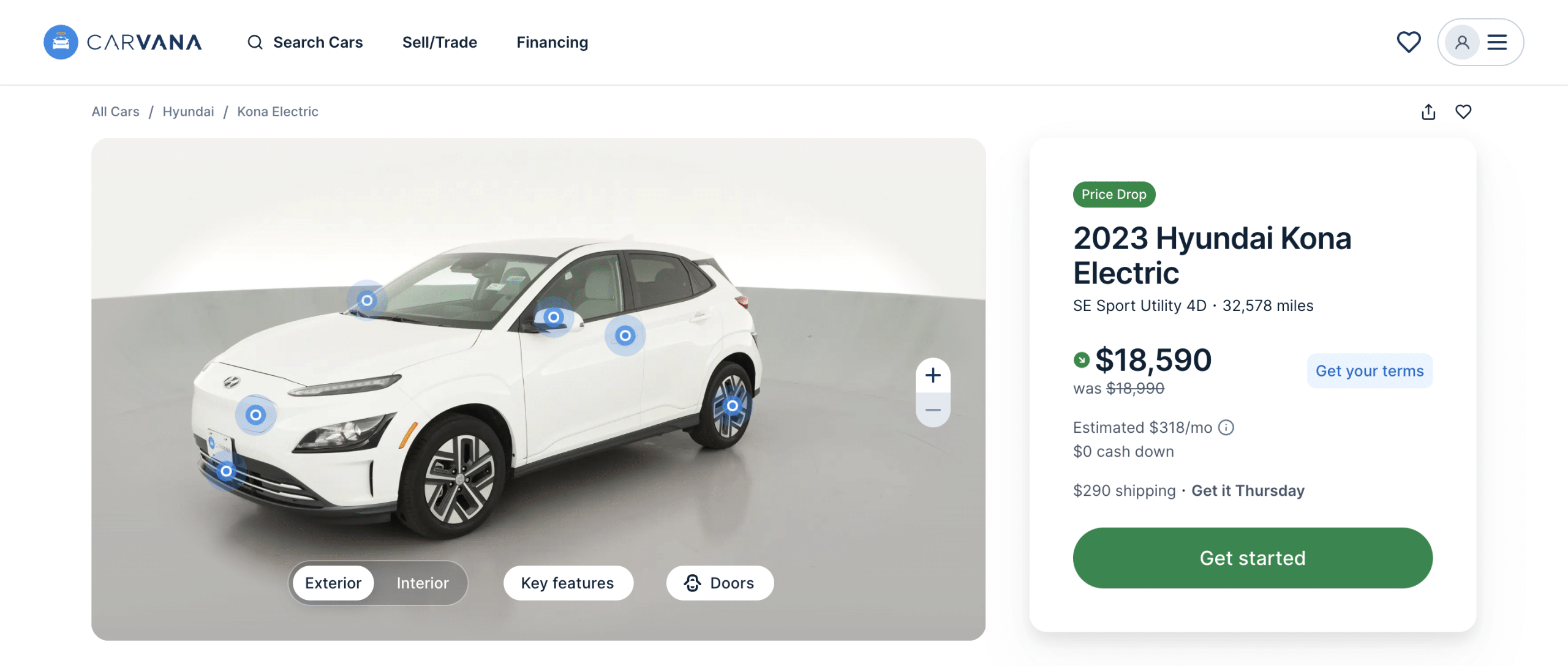
In 2025, 243,000 EV leases will end, more than 3 times the number that ended in 2024. In 2026 and beyond, the used EV market will continue to expand rapidly as the surge in new EV leases over the past five years drives growth in the used market. And because 92% of EV owners plan to buy another EV for their next car, the expanding used-EV market will significantly increase the total number of EVs on the road.
Spreading the Word
With EV owner satisfaction high, consumer interest holding, and the affordable used EV market growing, we can weather the current political anti-EV storm, provided we can overcome the consumer awareness barrier, cut through EV disinformation and hostile rhetoric, and communicate the ABCs of EVs widely.
We need to meet consumers where they are, with compelling, persuasive stories about how the transition to EVs will make their transportation more affordable, better, and more convenient. The right stories about the ABCs of EVs, told in the right places by the right voices, can cut through the anti-EV noise and convince consumers that EVs are a critical part of the affordable future they want. EV communications work is underway at the national and regional levels. Examples of existing campaigns include Clean Energy Generation, Energy for All Y’all, Electric For All, and Electrify Your Ride. Each is doing a good job, in its own way, of meeting the moment. But we need much more: funding, collaboration, and scale to reach deep into mainstream America.
Another ace up the sleeve
Still, it remains undeniable that we need reliable government support to build a robust domestic EV market that provides consumers with clean and affordable transportation options, keeps American auto and supply chain businesses competitive globally, secures domestic supply chains, and delivers good-paying jobs.
There is another ace up the EV market’s sleeve—the 92% of happy EV owners.
If you are one of them, talk to your friends, family, and neighbors about your experience. Notwithstanding the need for effective professional communications campaigns, there is no better EV messenger than a satisfied EV driver talking to those they know.
So spread the word because it’s not just about people buying EVs: consumers are also voters. The more who understand the ABCs of EVs, the more likely they are to vote for candidates who support ditching unaffordable internal combustion engines and getting America back on the path to affordable electric transportation.


