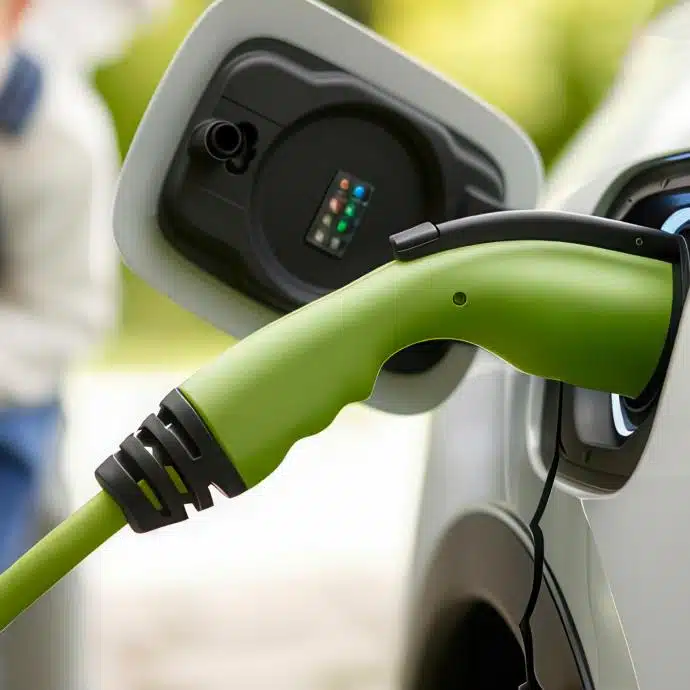


As SACE celebrates our 40th anniversary, we know that progress is measured in decades, which are built on daily choices by small and large communities alike. Worldwide, growth in solar, wind, batteries, EVs, and heat pumps is outpacing even the most optimistic of forecasts. Closer to home, businesses, churches, schools, and communities across the Southeast are embracing clean energy solutions as well. Our region continues to see growth in electric vehicles, with EV market share, charging station deployment, and utility investments all increasing significantly year-over-year. And our region continues to see a rise in solar, with the Southeast now home to enough solar to power 4.7 million U.S. homes.
In other words, the Clean Energy Generation is building momentum and making progress. And chances are, there’s a success story happening right in your backyard, as communities across the Southeast realize that clean energy is affordable, reliable, and abundant. Every week, we pick just a few of the many positive clean energy stories from across the region to share on Instagram under #CleanEnergyNews. Below, we’ve gathered just a handful of our favorites from Florida, Georgia, North Carolina, South Carolina, and Tennessee. Take a look, you might be surprised by the clean energy progress happening in your state.
Florida

Pensacola Beach
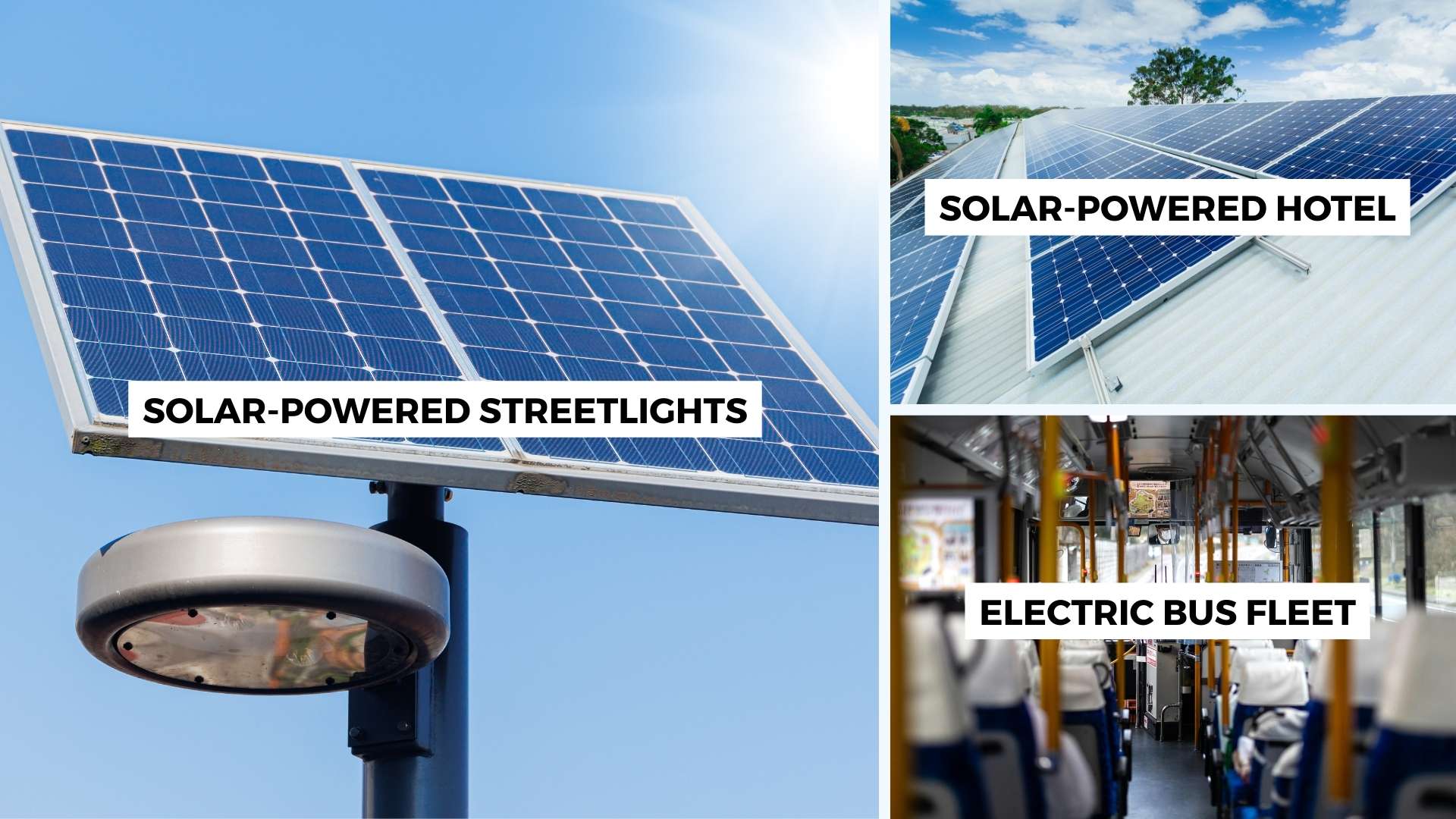
The Florida tourism industry is soaking up the sun! Last year, the Surf & Sand Hotel became Pensacola Beach’s first solar-powered hotel. The building’s 330 rooftop solar panels can generate enough electricity to power half of the hotel’s energy usage, reducing emissions by an amount equivalent to nearly 19,000 gallons of gasoline and almost 187,000 pounds of coal. One of the biggest motivators according to the company’s director of sustainability? Lower utility bills! Read more.
Tampa
Tampa-based Streetleaf inked a deal with the nation’s largest homebuilder, D.R. Horton, to light its new subdivisions with solar-powered streetlights. Each streetlight has a solar panel and battery that can charge up in a few hours and keep shining for three to five days of complete cloud cover. In addition to reducing carbon pollution, these streetlights also save residents money, because homeowners in D.R. Horton subdivisions are typically responsible for the costs of maintaining streetlights in their neighborhoods. Read more.
Hallandale Beach
Last year, the City of Hallandale Beach unveiled its groundbreaking “Cloud.” This fleet of nine electric buses, the largest of any municipality in Florida, was a step toward the city’s goal of becoming carbon neutral by 2055. The Hallandale Beach Police Department had already integrated 13 all-electric vehicles and 49 hybrid vehicles into its fleet, the largest of its kind in the nation. Thanks to these upgrades, the City is reducing its emissions by 600 metric tons annually, the equivalent of 117 homes. Read more.
Orlando
Renters at an Orlando apartment complex are among the first in the nation to start using solar energy to reduce their individual electric bills. With the addition of solar panels to the roof of their apartment building, residents are expected to see their electric bills drop from $90 or $120 a month to as low as $30 a month. Investors expect the solar upgrade to attract more tenants who want to save money on their electric bills. Read more.
Check out even more Florida success stories!
Georgia

Statesboro
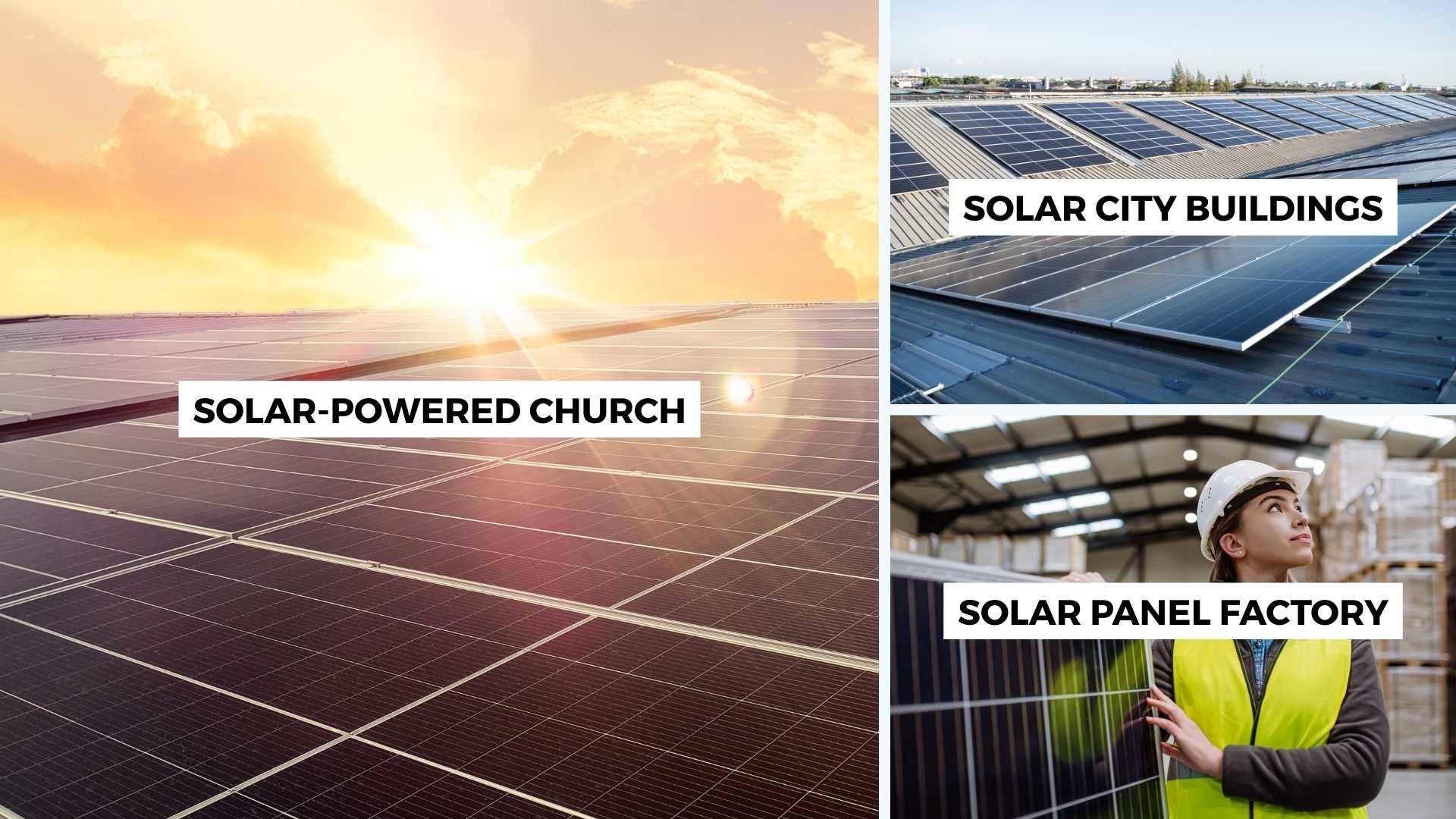
Trinity Episcopal Church in Statesboro became Georgia’s first place of worship to tap into Georgia BRIGHT, a statewide program that covers the upfront cost of solar arrays for homeowners and nonprofits otherwise priced out of solar. The church’s new solar panels supply 78% of the building’s power, slashing the congregation’s energy burden by more than $61,000 over the 25-year life of the deal. The upgrade will also eliminate an estimated 705 tons of carbon pollution, enough to power 148 homes for a year. Read more.
Savannah
Savannah’s City Council recently unanimously approved the addition of solar panels to 14 city-owned buildings, more than doubling the city’s solar capacity. Each solar array will meet about 37% of its building’s energy needs. Together, the 1.26 MW of new solar capacity will save the city an estimated $1.4 million on energy bills over the next 25 years. Read more.
Atlanta
Last year, Morehouse College was recognized for its efforts to make its Atlanta campus more energy efficient. The HBCU achieved 31% energy savings from a 2017 baseline, meeting its Better Buildings Challenge goal four years ahead of schedule. Energy efficient improvements included installing LED lighting and upgrading the HVAC system in the Martin Luther King, Jr. International Chapel, as well as replacing heating and water systems in the school’s historic Graves Hall. Read more.
Dalton
Federal funding under the Biden administration helped transform communities like Dalton across the Southeast. Growing up in the ‘80s, Georgian Lisa Nash saw what happens to communities when factory jobs move offshore. Now, Lisa and solar panel factory Qcells are boosting wages, invigorating Dalton’s historic town center, and employing local high school graduates. Read more.
Check out even more Georgia success stories!
North Carolina

Pasquotank County
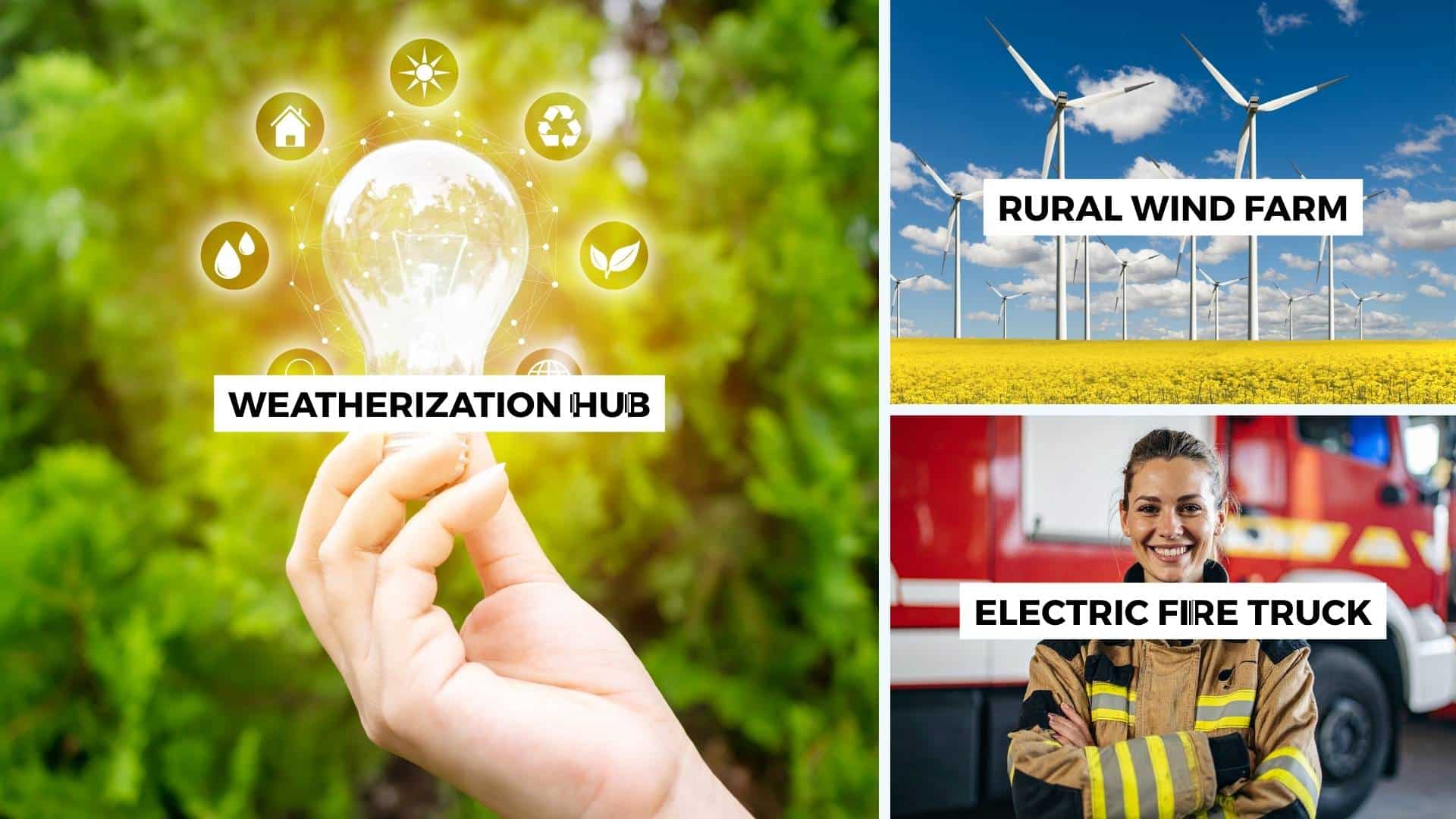
North Carolina native Steve Harris has spent more than five decades farming the fertile land of Pasquotank County. Now in addition to corn, soybeans, and wheat, Steve’s land is also home to 11 wind turbines. In addition to generating clean energy, these turbines provide Steve with a reliable source of income — one not dependent on unpredictable crop yields or changing weather patterns. Read more.
Charlotte
Charlotte area homeowners, nonprofits, and businesses can now save money on solar panels thanks to a new program. Solarize Charlotte-Mecklenburg, which launched earlier this year, aims to lower the cost of installing solar through large-group purchasing. Though everyone in Mecklenburg County is eligible to participate, the program is especially targeted toward low-to-moderate-income households who stand to benefit the most from monthly energy savings. Read more.
Enfield
“We still stand up. We still try.” Despite federal headwinds against clean energy, the town of Enfield, North Carolina is forging ahead with its clean energy plans. With the help of remaining clean energy grants and rebates, the largely Black community continues to work on creating a solar-powered weatherization hub, where town leaders hope to host do-it-yourself energy efficiency workshops and provide a stable internet connection for workers. Read more.
Cary
The Cary Fire Department has put the first electric fire truck on the East Coast into service. Designed to reduce greenhouse gas emissions by up to 60% over its expected 20-year lifespan, the electric fire truck can operate in full-electric mode or switch to diesel backup when necessary. The quiet electric pumper also creates a calmer and safer working environment, allowing firefighters to hear each other more clearly. Read more.
Check out even more North Carolina success stories!
South Carolina
Georgetown
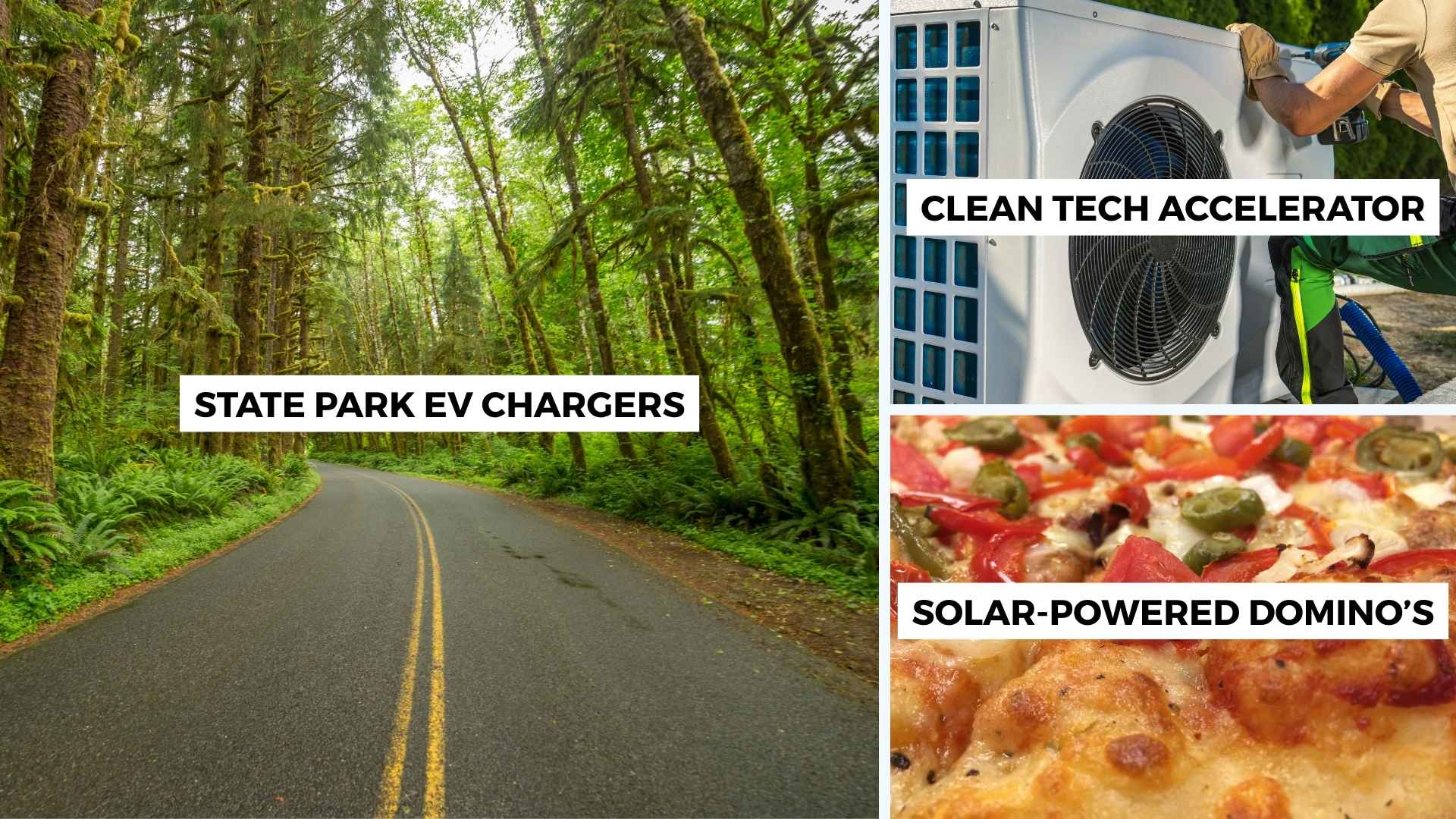
Ebony Hughes of Georgetown is helping minorities thrive in the rapidly growing solar industry. Hughes’ nonprofit 7 Dimensions has teamed up with Solar United National to found the Minority Incubator Solar and Disaster Resiliency Hub. The hub serves as a workforce development program, teaching students to install solar panels and build EV charging stations. Read more.
Clover
A slice of solar. The town of Clover is now home to one of the world’s first solar-powered Domino’s. The York County location is the first Domino’s in the world to operate on solar power to this degree, with solar panels on its roof, integrated into its exterior, and powering its parking lot lights. The parking lot itself also features two EV charging stations. Read more.
State Parks
“I went on a short hike and returned to a fully charged car!” EV drivers can charge up for free at 30 of South Carolina’s 47 state parks. Most parks have two charging stations, though the busiest parks have four. These chargers, which are designed to work with all EVs, are free to use on a first-come, first-served basis and add 25 miles of range per hour of charging. Read more.
Greenville
Goodwill Industries of Upstate/Midlands South Carolina is offering hands-on training in EV chargers, heat pumps, and solar and storage systems. Intended to serve as a launch pad for quickly-growing, high-paying clean energy jobs, the Clean Tech Accelerator Lab is offering paid full-time training, nationally recognized certifications, and job placement assistance over a five-week program. Read more.
Check out even more South Carolina success stories!
Tennessee
Hohenwald
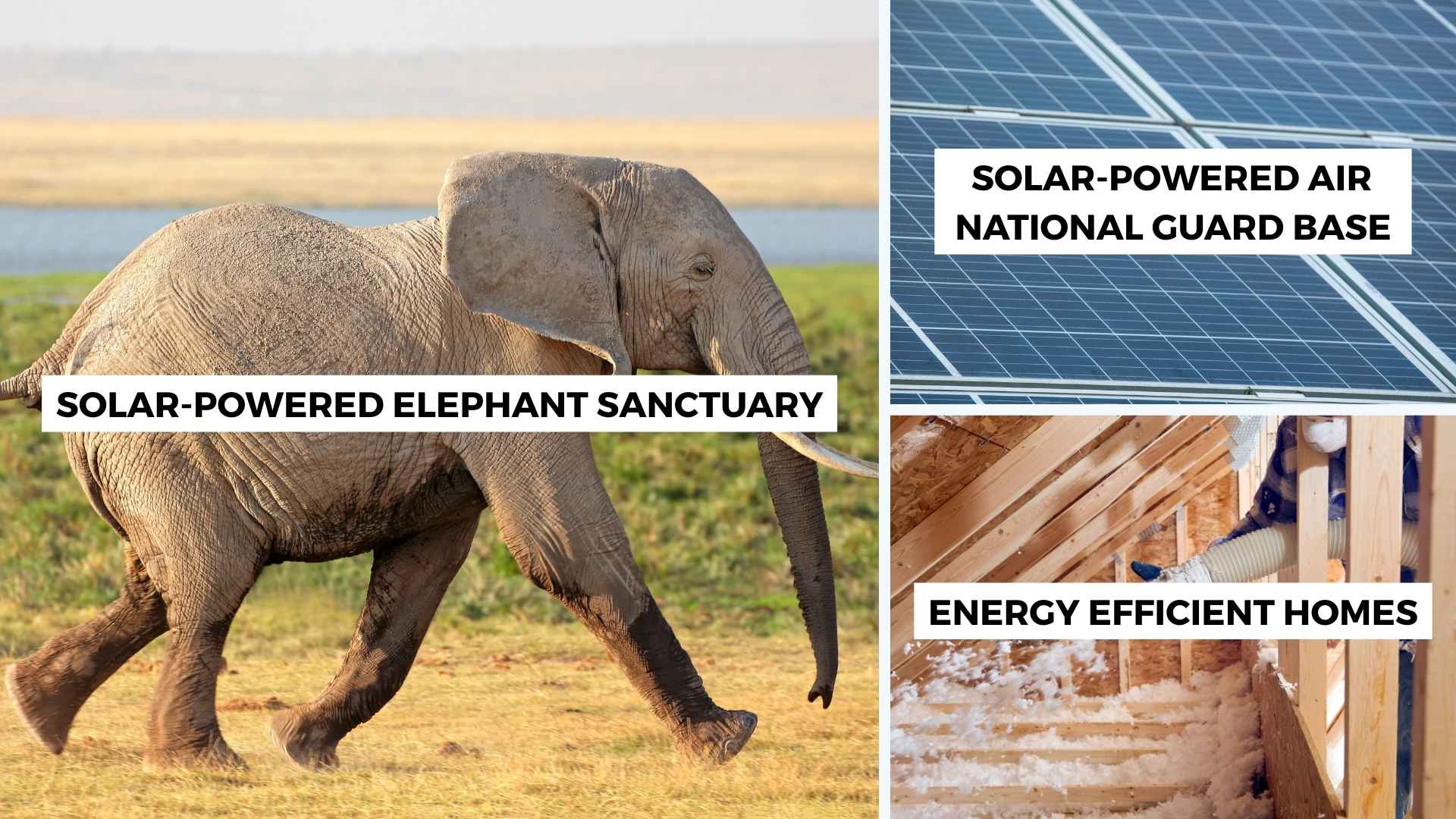
The Elephant Sanctuary, known globally as a safe haven for captive elephants, recently received the 2025 Governor’s Environmental Stewardship Award for Sustainable Performance. In addition to recycling medical waste and batteries, composting food scraps and manure, and conserving huge amounts of water, the sanctuary has also installed solar arrays across four of its facilities — providing 25% of the sanctuary’s annual electricity needs. Read more.
Chattanooga
“It was like Christmas to me.” Gigi Gross is warmer during winter thanks to a set of renovations designed to improve her home’s energy efficiency. Hers is just one of 900+ households in Chattanooga that have taken advantage of the Home Uplift program. Through this program, renters and homeowners making under $49,000 per year are eligible for up to $10,000 in home energy efficiency upgrades, such as new windows or insulation. Read more.
Knoxville
SEEED, a Knoxville-based nonprofit, is building sustainable homes using green technologies such as solar panels, backup solar batteries, micro communication grids, concrete walls, and smart home technology. These award-winning homes are then sold below market value to low-income families, allowing them to start building generational wealth and save on future energy costs. Read more.
Louisville
The McGhee Tyson Air National Guard Base in Louisville has gone solar, offsetting its energy costs. The base has plans to eventually pair the completed solar array with a battery storage system. The resulting microgrid will protect base operations during power outages, ensuring the base still has power for critical functions like air refueling missions. Read more.
Nashville
The Nashville Public Library–Donelson Branch is turning the page on green building design. The library’s rooftop solar panels offset 19% of its annual energy costs, while censored LED lighting slashes 25% of its energy usage. Outside, bike racks and EV chargers encourage visitors to arrive via zero-emission transportation. Inside, a “Socket Wall” provides visitors with sustainability tips and sustainably-minded book lists. Read more.
Check out even more Tennessee success stories!
Follow along each week
These stories highlight just a few of the positive things happening in our area! Every day, we see signs of hope. The Clean Energy Generation is creating a future powered by clean energy that leads to clean air and water, good jobs, and vibrant communities.
Would you like to see more stories like this? We’ve got just the thing for you! Every Thursday, we share the latest clean energy news on Instagram with #CleanEnergyNews. Join us as we celebrate the progress and signs of hope in the clean energy transition.
Join the Clean Energy Generation
Together, all of us who are taking action are part of the Clean Energy Generation movement. We’re coming together to create healthier communities and a more secure and sustainable environment, starting now. No matter your age, income, zip code, or abilities, you can play a role. You don’t have to have the answers; learning more is a great way to start. Join us, and we’ll share ideas, resources, tools, and practices to show how we can all be part of the transformation.